Sterndrive Buyer's Guide
“The hybrid powerplant — inboard muscle with outboard versatility.”
Why Is It Called a "Sterndrive"?
Etymology & History
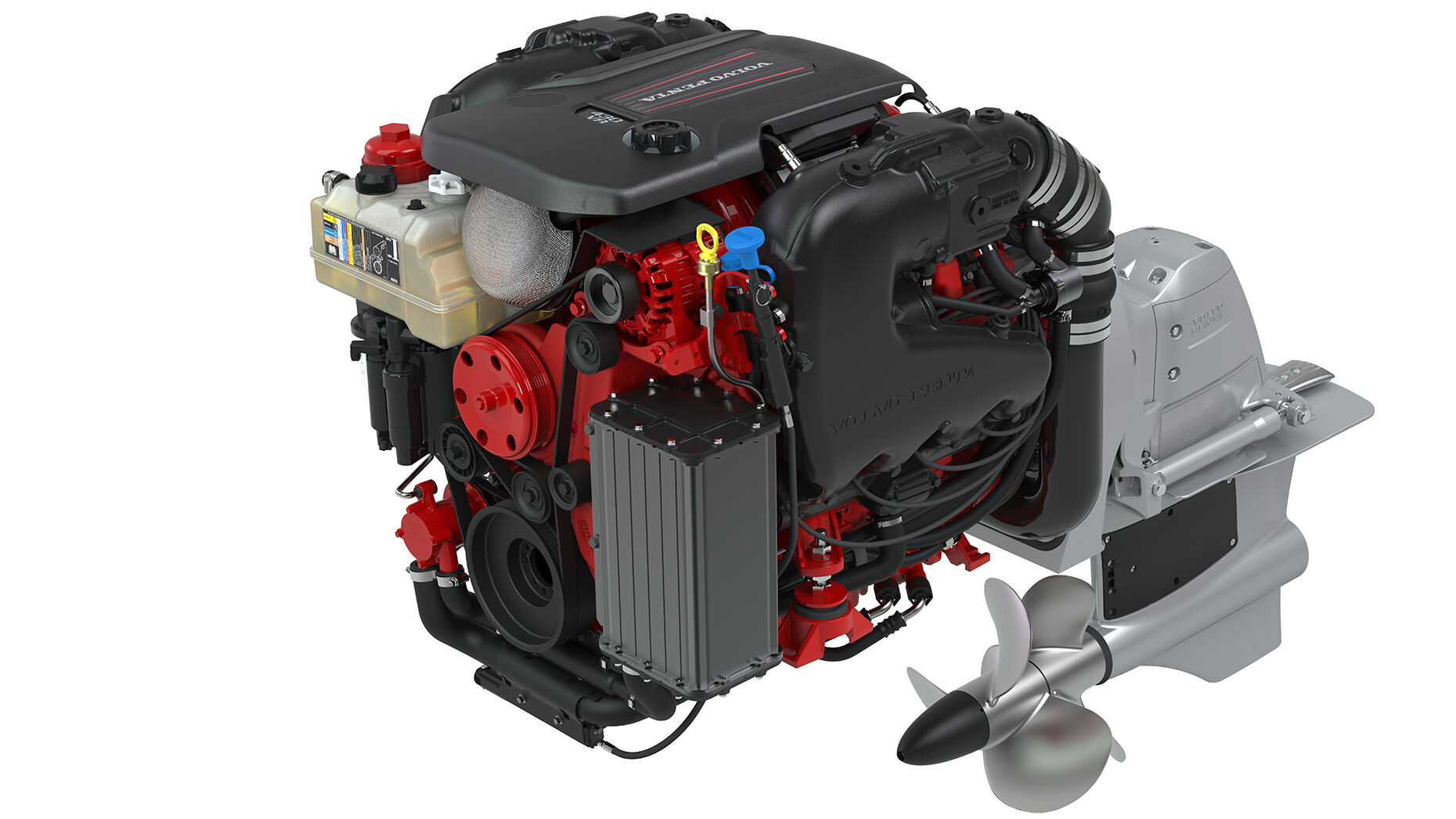
The name "sterndrive" describes the propulsion system's configuration: an inboard engine drives a steerable "drive" unit mounted through the stern (back) of the boat. Also called an "inboard/outboard" (I/O), the system was popularized by Volvo Penta in the 1960s and MerCruiser (Mercury Marine) shortly after. Jim Wynne, an American engineer working with Volvo Penta, is credited with the modern sterndrive design, first produced commercially in 1959.
What Is a Sterndrive?
Overview
Sterndrive systems combine an automotive-based engine mounted inside the boat with an external drive unit (outdrive) that handles steering and propulsion. The engine sits in an enclosed engine compartment, typically midship or near the stern, and connects through the transom to the outdrive. Sterndrives dominated the recreational boating market from the 1970s through 2000s, but have lost significant market share to outboard engines in recent years.

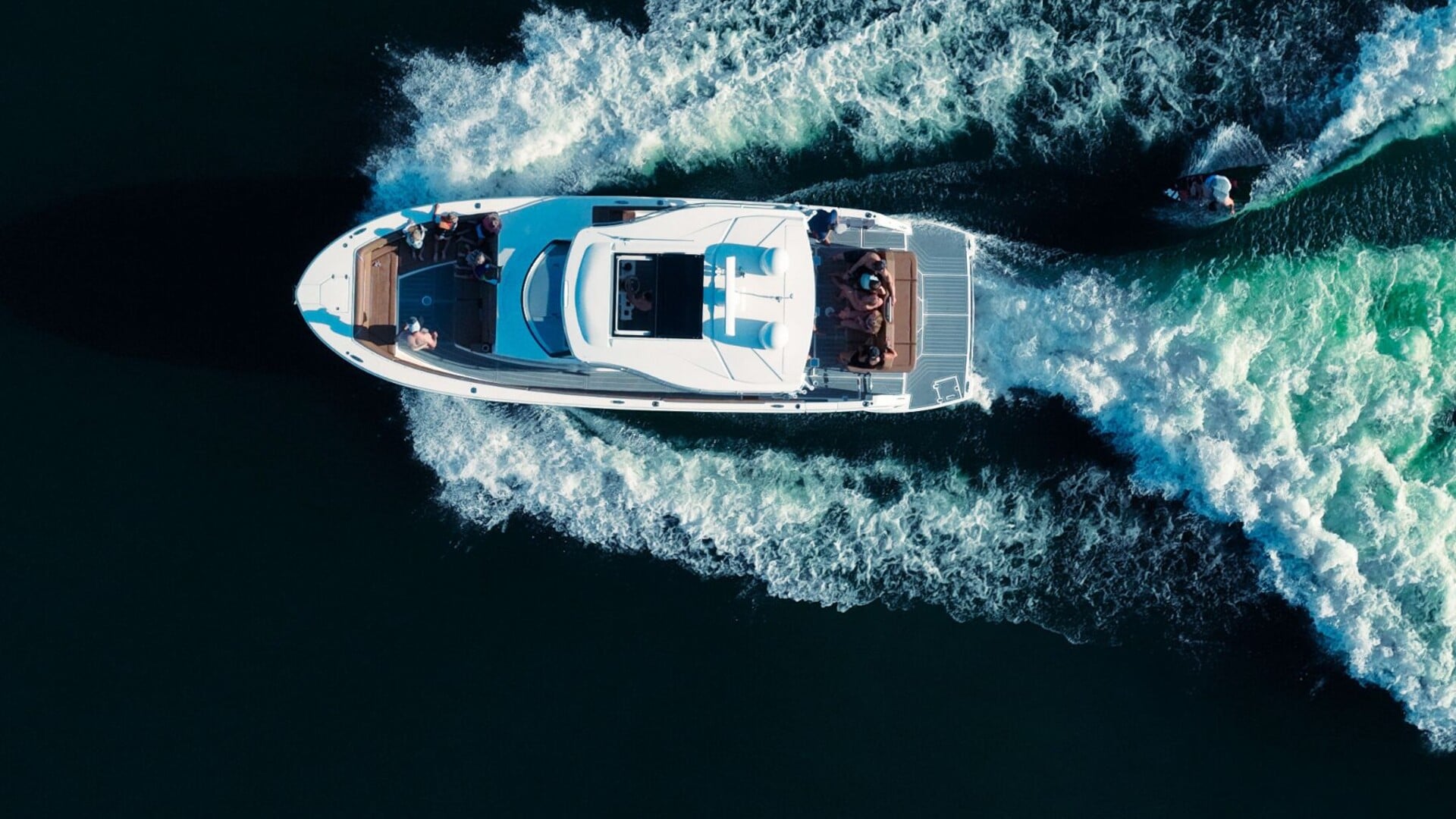
Clean swim platform — the sterndrive advantage for watersports
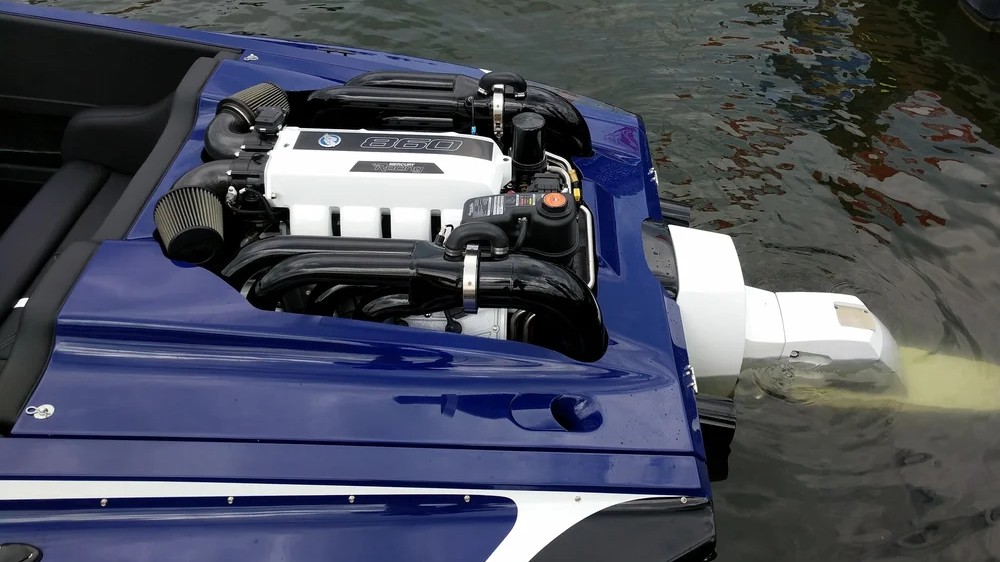
Inboard engine, external drive — the sterndrive hybrid design
The 5 W's of Sterndrives
Who, What, When, Where, Why
Who Buys Them?
Existing sterndrive boat owners, watersports enthusiasts who want a clean swim platform, cruiser owners, and European boaters. The buyer base is shrinking as outboard technology advances.
What Are They?
A hybrid propulsion system with an automotive-based engine mounted inside the boat connected to an external drive unit (outdrive) through the transom. Available from 135 to 430+ HP.
When Are They Used?
Warm weather months primarily. Requires extensive winterization in cold climates. The sterndrive market has peaked — new installations are declining annually.
Where Are They Used?
Freshwater lakes and rivers are ideal. Found in cruisers on the Great Lakes and inland waterways. Declining in saltwater applications as outboards take over.
Why Buy One?
Sterndrives offer quieter operation, slightly better fuel efficiency, and a clean swim platform. However, their market share is declining as outboard technology closes these gaps. Many buyers choose sterndrives because their existing boat has one, not because it's the preferred technology.
Good For
- Bowrider and deck boat applications
- Watersports — clean stern platform without outboard in the way
- Cruising boats and cabin cruisers
- Applications where engine noise and fumes need to be contained
- Boats needing a full-width swim platform
- Legacy repowering of existing sterndrive boats
Why People Buy
- Quieter operation — engine is enclosed inside the hull
- Better fuel efficiency — approximately 10% more efficient than comparable outboards
- Full-width swim platform — no outboard hanging off the back
- Trim adjustment for varying water and load conditions
- Proven technology with decades of development
- Many existing boats are sterndrive — repower is often more practical than conversion
Where They're Most Popular
Top boating destinations
Great Lakes region
Strong sterndrive culture in the Midwest boating community
Inland lakes nationwide
Traditional bowrider and cruiser power on freshwater
Pacific Northwest
Popular in freshwater lake and river applications
European waterways
Volvo Penta sterndrives are especially popular in Scandinavia
Declining overall
Outboard engines are rapidly replacing sterndrives in new boat builds
Who Buys Them?
Buyer demographics & profiles
Existing Sterndrive Owners
People repowering or maintaining their current sterndrive boats. The largest buyer segment.
Watersports Focused
Buyers who want a clean swim platform and tower setup for skiing and wakeboarding.
Cruiser/Cabin Boat Owners
Larger boats (26'+) with enclosed engine compartments where sterndrive makes engineering sense.
European Boaters
Volvo Penta sterndrives remain popular in European markets where outboard culture is less dominant.
Operating Costs
What it really costs to own one
Repairs & Common Breakdowns
What breaks and what it costs
Typical Repair Costs
Most Common Breakdowns
- Bellows cracking and leaking water into the boat — the #1 sterndrive failure and can cause sinking
- Gimbal bearing failure causing vibration and steering difficulty
- Exhaust manifold and riser corrosion from internal cooling water — especially in saltwater
- Outdrive corrosion and anode depletion — galvanic corrosion eats the outdrive
- Engine overheating from impeller failure or clogged cooling passages
- Shift cable breakage or adjustment — sterndrive shift linkage is more complex than outboard
Best Upgrades
Where to spend money for maximum value
Convert to outboard power
The most impactful upgrade possible. Lower maintenance, better resale, and modern technology. Many manufacturers now offer outboard conversion kits.
Upgraded bellows and gimbal bearing
Premium aftermarket parts last longer and reduce the risk of the most common (and dangerous) sterndrive failure
Stainless steel exhaust manifolds and risers
Last 3–5x longer than cast iron. Prevents the most expensive common repair.
Electronic throttle and shift
Replaces mechanical cables with smooth electronic control — reduces maintenance points
Closed cooling system
Isolates engine from raw water — dramatically extends engine life in saltwater
High-performance propeller
Matched prop can improve hole shot, top speed, and fuel efficiency
Water Compatibility
Where you can (and can't) take it
The traditional sterndrive environment. Fresh, warm water is ideal.
Handles well in moderate conditions. Enclosed engine is quieter on long runs.
Works well, but outdrive can catch on shallow obstacles. Tilt-up range is limited vs. outboard.
Possible with diligent maintenance and flushing. Saltwater accelerates every failure mode.
Some cruisers use sterndrives offshore, but outboards are now preferred for saltwater.
Requires extensive winterization. Raw water in the engine will freeze and destroy the block.
Limitations & Weather Restrictions
Know before you go
Sterndrives require more frequent and specialized maintenance than outboards. Bellows, gimbal bearings, and exhaust components need regular inspection.
Price Ranges (Brand New)
What to expect across budget levels
Sterndrive Brands & Models
6 brands, 7 models in our database
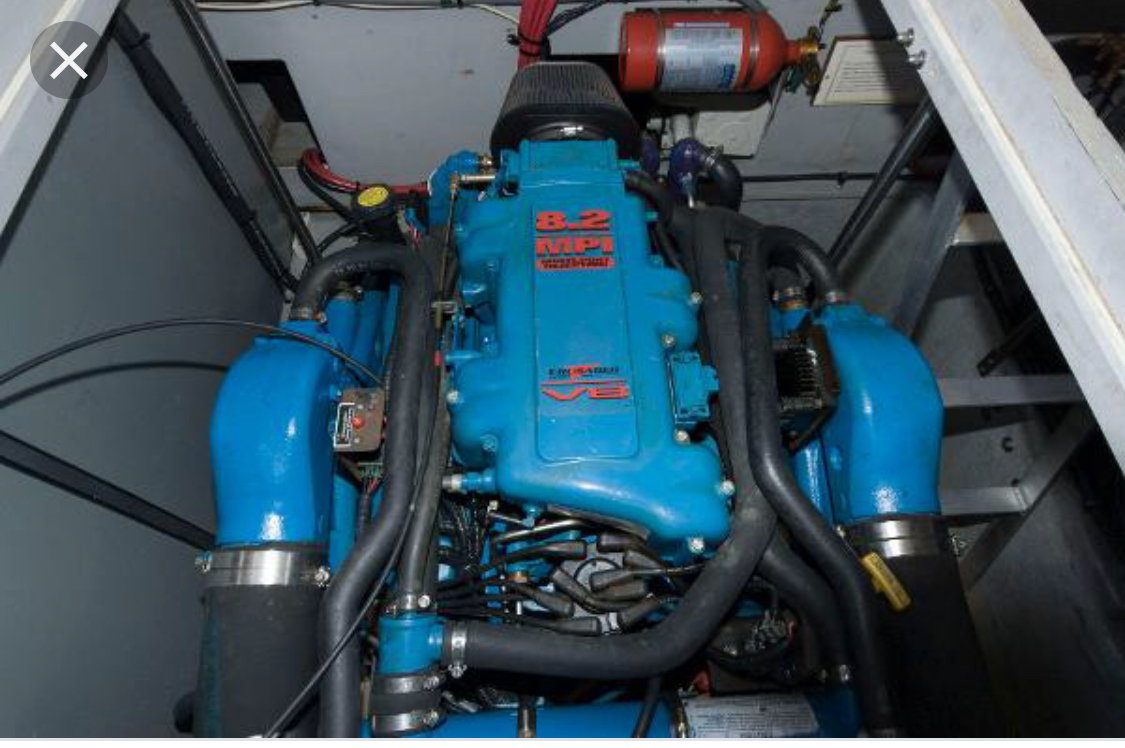
Crusader
1 sterndrive model
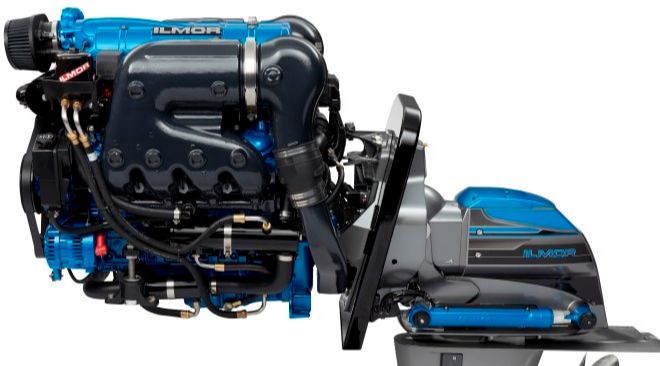
Ilmor
1 sterndrive model
Indmar
1 sterndrive model

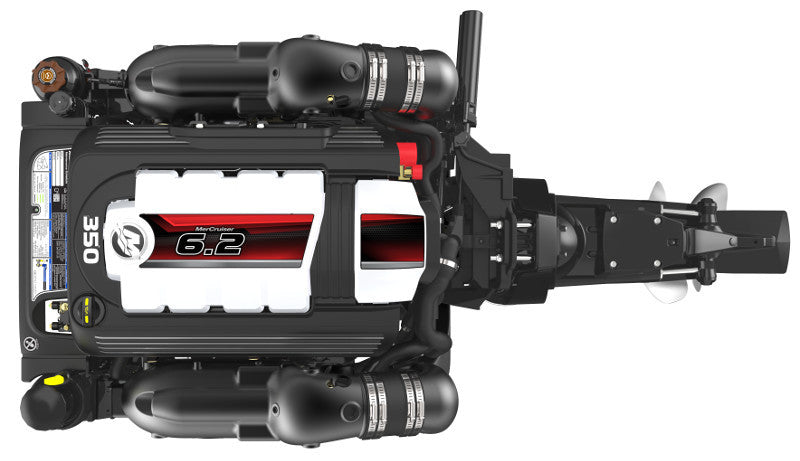
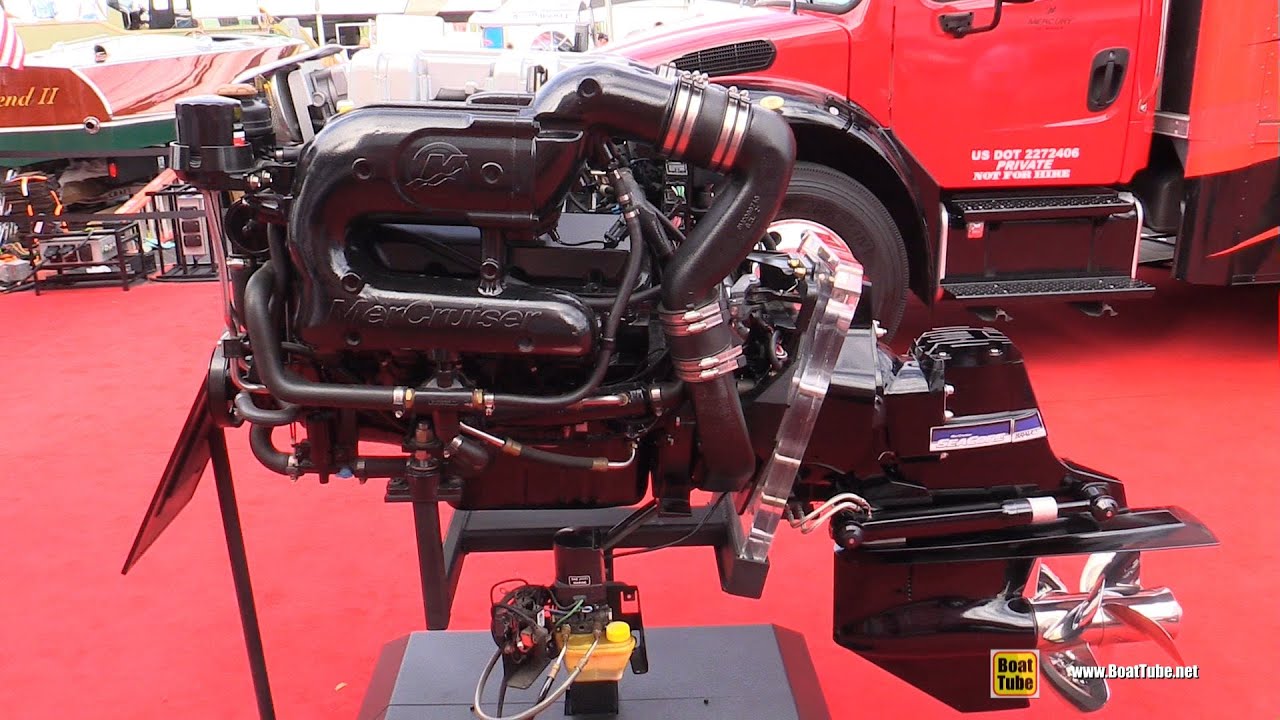
MerCruiser
2 sterndrive models
PCM
1 sterndrive model

Volvo Penta
1 sterndrive model