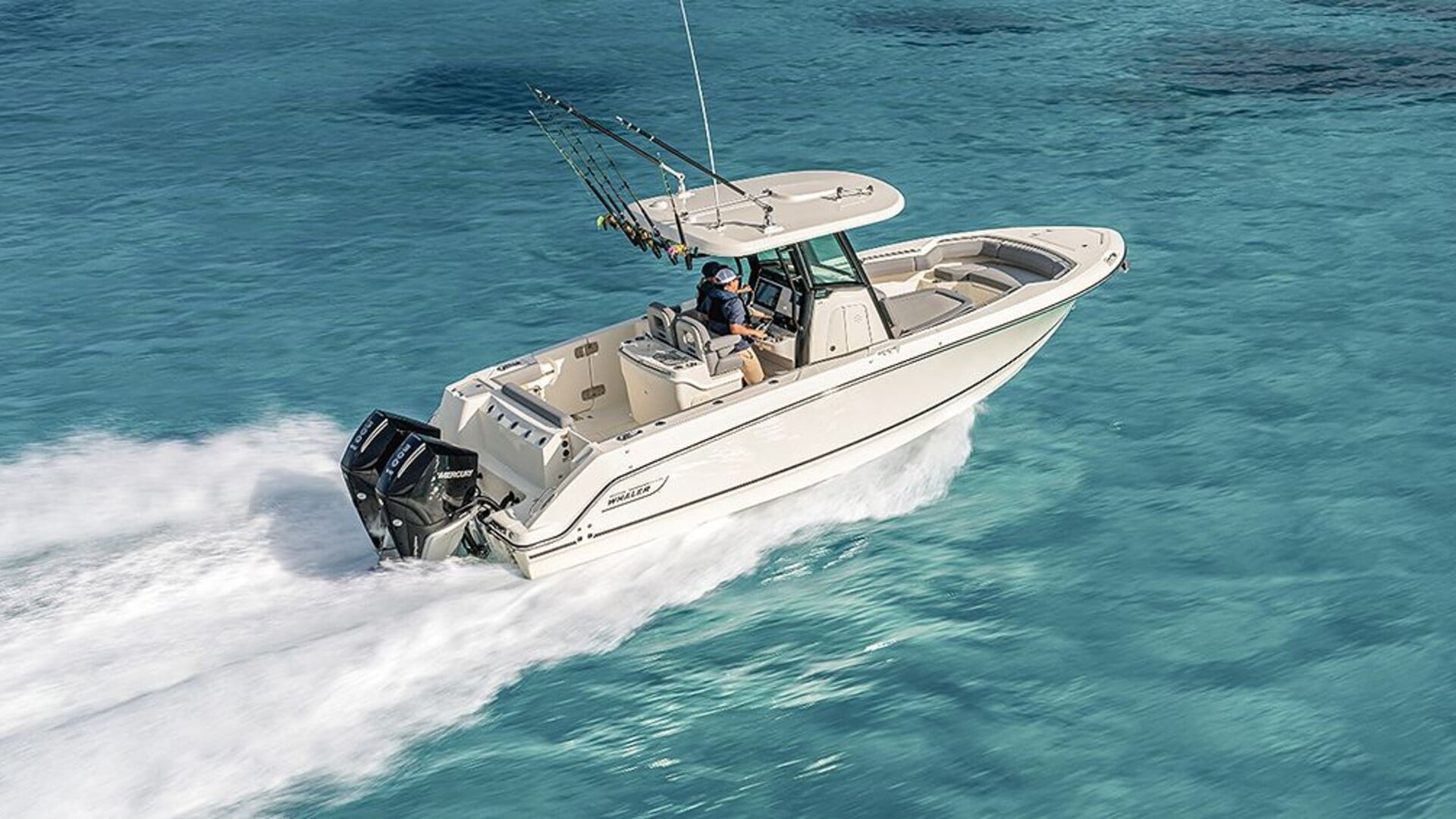
Center Console Buyer's Guide
“Born to fish, built to run — the offshore workhorse.”
Why Is It Called a "Center Console"?
Etymology & History
The name "center console" describes the boat's layout: the helm (steering station) is mounted on a console positioned in the center of the boat, rather than to one side. This design originated in the 1950s and 1960s when Florida boatbuilders needed a hull that gave anglers 360-degree access to the gunwales for fighting fish. The center-mounted console allowed fishermen to walk freely around the entire perimeter of the boat.
What Is a Center Console?
Overview
Center consoles are open-deck fishing boats with the helm station centrally positioned, providing unobstructed walkaround access to all sides. They range from 17 to 60+ feet and are powered by single or multiple outboard engines. The design prioritizes fishability, seaworthiness, and versatility. Modern center consoles have evolved far beyond their fishing roots — today's premium models feature luxury amenities, cabin spaces, and performance capabilities that rival much larger vessels.
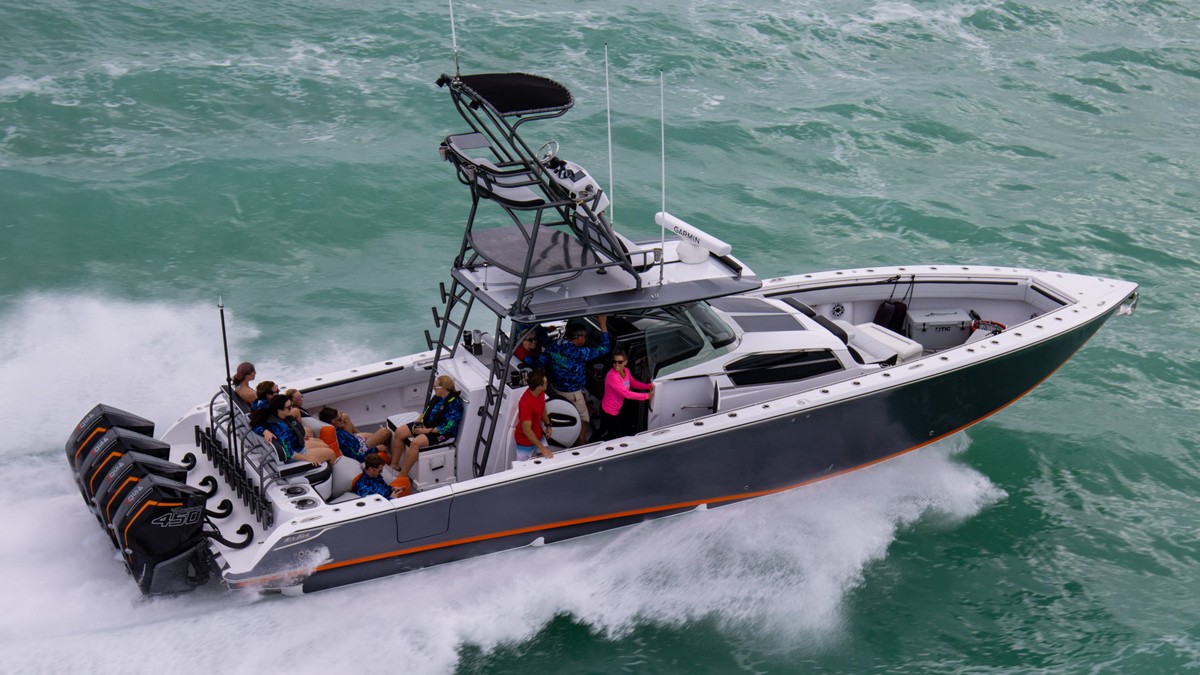
Offshore fishing — the center console's natural habitat
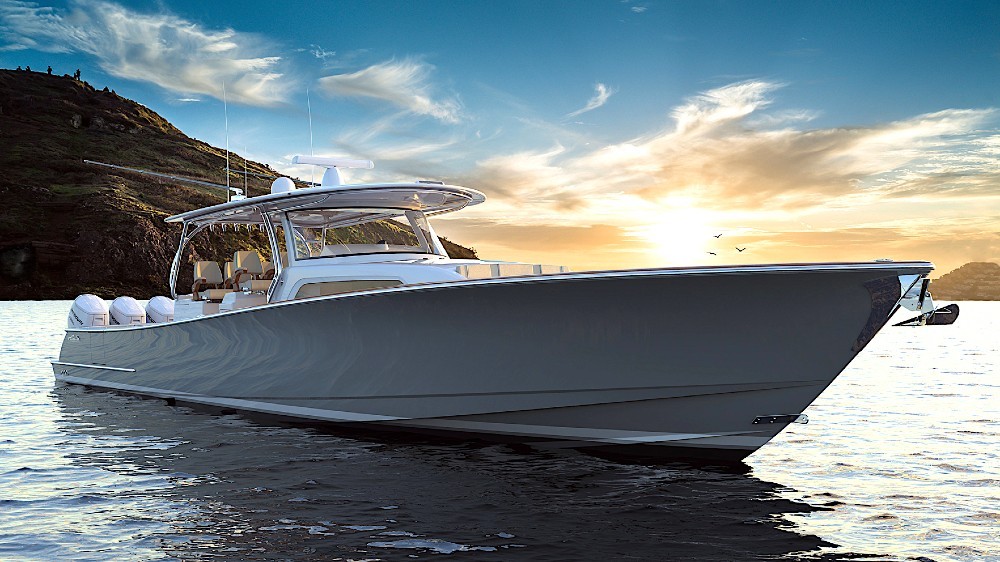
Coastal cruising with power and confidence
The 5 W's of Center Consoles
Who, What, When, Where, Why
Who Buys Them?
Serious saltwater anglers, coastal families, charter captains, and tournament fishermen. Typically 35–60 years old with household income $150K+ for new mid-range and above. Strong in Florida, Gulf Coast, and Atlantic seaboard.
What Are They?
An open-deck fishing boat with a centrally mounted helm console, powered by outboard engines. Deep-V hull provides offshore capability. Features include live wells, rod holders, fish boxes, and walkaround gunwales for 360-degree fishing access.
When Are They Used?
Year-round in southern states. April through November in the mid-Atlantic and northeast. Tournament season peaks March through October. Dawn departures for offshore runs are the norm.
Where Are They Used?
Primarily saltwater — open ocean, offshore fishing grounds, bays, inlets, intracoastal waterways, and coastal flats. The concentration is heaviest in Florida, the Gulf states, and the Carolinas.
Why Buy One?
Nothing else gives you the combination of offshore capability, fishability, and versatility. The center console is the ultimate fishing machine that doubles as a family cruiser. It's the most popular boat type in America for a reason.
Good For
- Offshore deep-sea fishing (tuna, mahi, marlin, swordfish)
- Inshore and nearshore fishing (redfish, snook, tarpon, flounder)
- Island hopping and coastal cruising
- Diving and snorkeling trips
- Multi-day fishing tournaments
- Family cruising with fishing capability
Why People Buy
- 360-degree fishability — walk around the entire boat while fighting fish
- Seaworthiness — deep-V hulls handle rough offshore conditions
- Outboard power — easier and cheaper to maintain than inboards
- Self-bailing cockpit — water drains overboard automatically
- Versatility — fish in the morning, cruise with family in the afternoon
- Strongest resale value of any boat category
Where They're Most Popular
Top boating destinations
Florida (both coasts)
The center console capital of the world — year-round saltwater fishing
Gulf Coast (TX, LA, MS, AL)
World-class offshore fishing grounds, large charter fleets
Outer Banks to Chesapeake Bay
Striped bass, tuna, and sportfishing tournaments
Southern California & Baja
Yellowfin tuna, dorado, and long-range fishing
Caribbean & Bahamas
Island-hopping, reef fishing, and blue water expeditions
Who Buys Them?
Buyer demographics & profiles
Serious Anglers
Dedicated fishermen who fish 30–60+ days per year. Priority is fishability, range, and live well capacity.
Coastal Families
Families living near the coast who want a boat that fishes AND cruises. Looking for a multi-use platform.
Tournament Fishermen
Competitive anglers who need speed to reach fishing grounds first, reliability, and fish-fighting capability.
Charter Captains
Professional captains running fishing charters who need durability, capacity, and amenities for clients.
Operating Costs
What it really costs to own one
Repairs & Common Breakdowns
What breaks and what it costs
Typical Repair Costs
Most Common Breakdowns
- Saltwater corrosion on lower units, trim components, and electrical connections
- Impeller failure from sand and debris ingestion — causes overheating
- Battery drain from multiple electronics (GPS, radar, fishfinder, VHF, lights)
- Fuel contamination from ethanol and water absorption in marine fuel tanks
- Hydraulic steering line leaks — sun and salt degrade hydraulic lines over time
- Bilge pump failure — critical for self-bailing in rough offshore conditions
Best Upgrades
Where to spend money for maximum value
Multifunction display (MFD) with CHIRP sonar
See fish, structure, and bottom contours in incredible detail — game changer for fishing
T-top or hardtop with rod holders
Essential shade offshore and provides rod storage, light mounts, and antenna mounting
Outriggers
Spreads trolling lines to cover more water and prevent tangles on offshore trips
Power Pole or Minn Kota Talon
Instant anchoring in shallow water — critical for inshore sight fishing
Marine stereo with Bluetooth
Modern convenience for those longer runs to the fishing grounds
Seakeeper gyroscopic stabilizer
Eliminates boat roll at rest — revolutionary for comfort while drift fishing
Water Compatibility
Where you can (and can't) take it
This is what center consoles are designed for. Deep-V hulls eat offshore seas.
Perfect for protected coastal waters, inshore fishing, and cruising.
More boat than needed for freshwater, but handles big lake chop with ease.
Overkill for calm lakes. Works fine but a bowrider or pontoon is a better choice.
Draft may be too deep for shallow rivers. Smaller flats-style center consoles work.
Not designed for river rapids or swift current with obstacles.
Limitations & Weather Restrictions
Know before you go
Open boat with minimal shelter. You're fully exposed to sun, rain, wind, and spray. A T-top helps but doesn't solve it.
Price Ranges (Brand New)
What to expect across budget levels
Center Console Brands & Models
15 brands, 15 models in our database
Boston Whaler
1 center console model

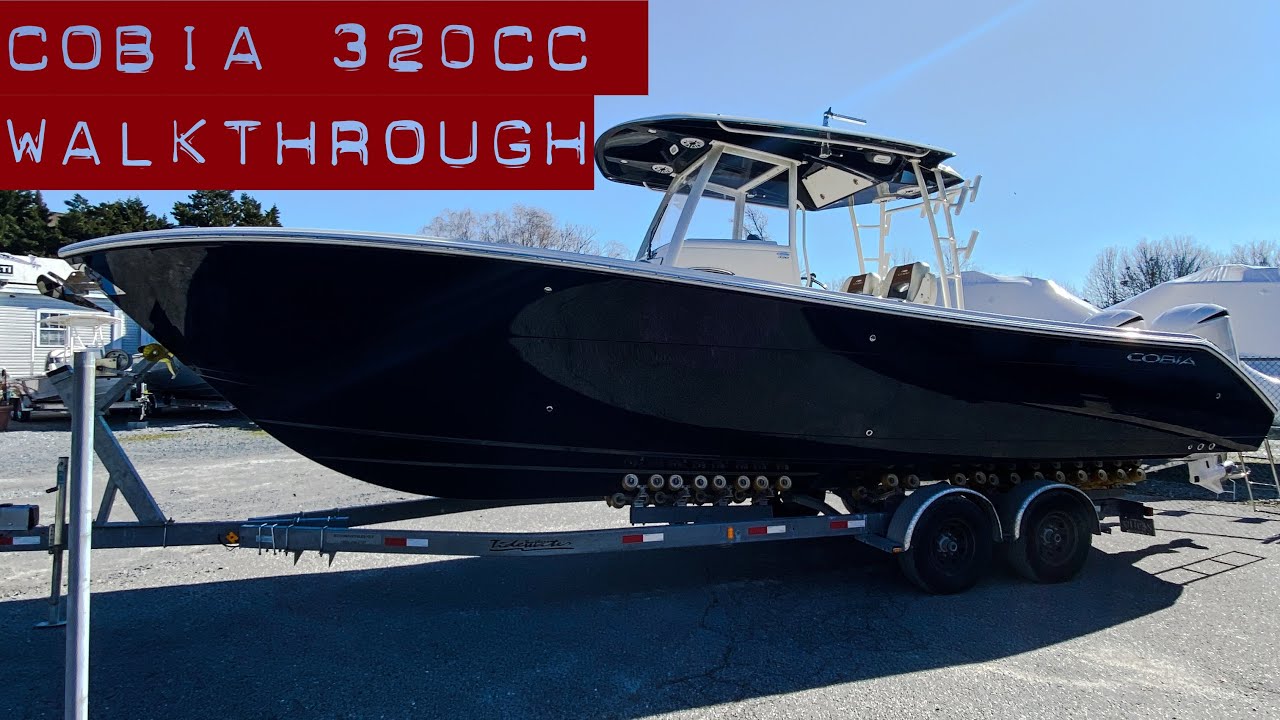
Cobia
1 center console model
Contender
1 center console model

Everglades
1 center console model

Grady-White
1 center console model

Key West
1 center console model

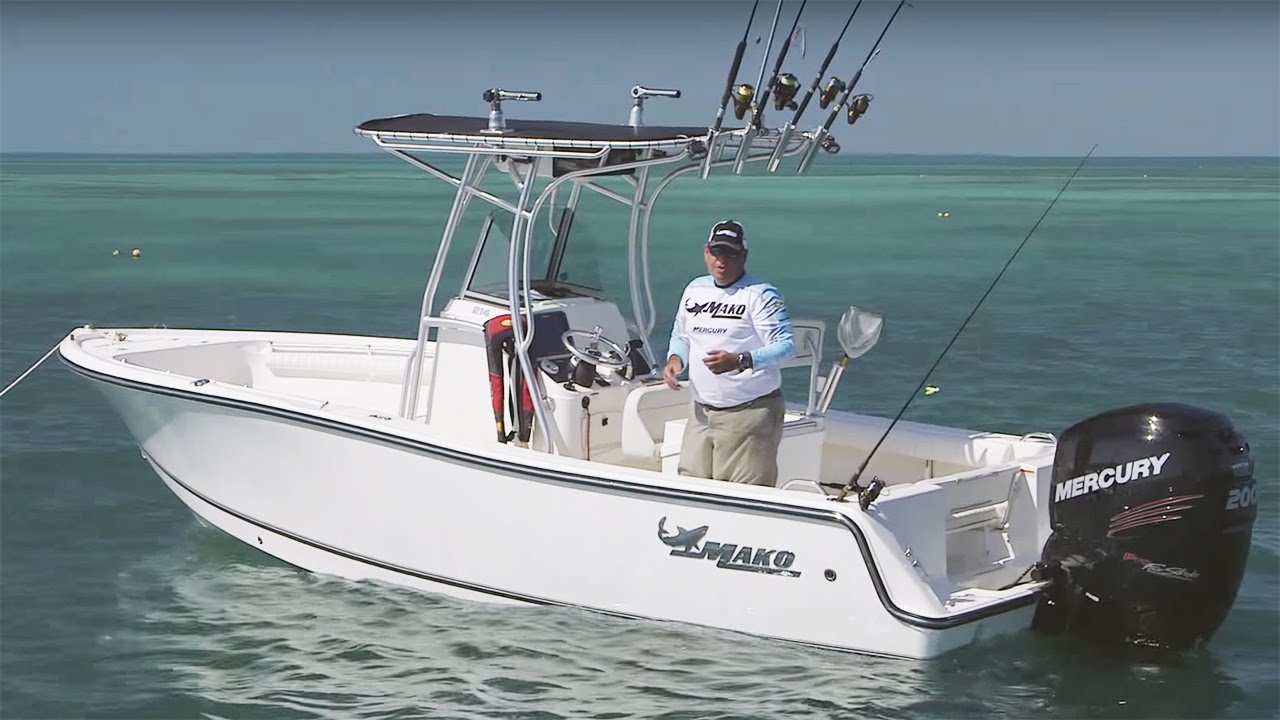
Mako
1 center console model
Pathfinder
1 center console model

Pursuit
1 center console model

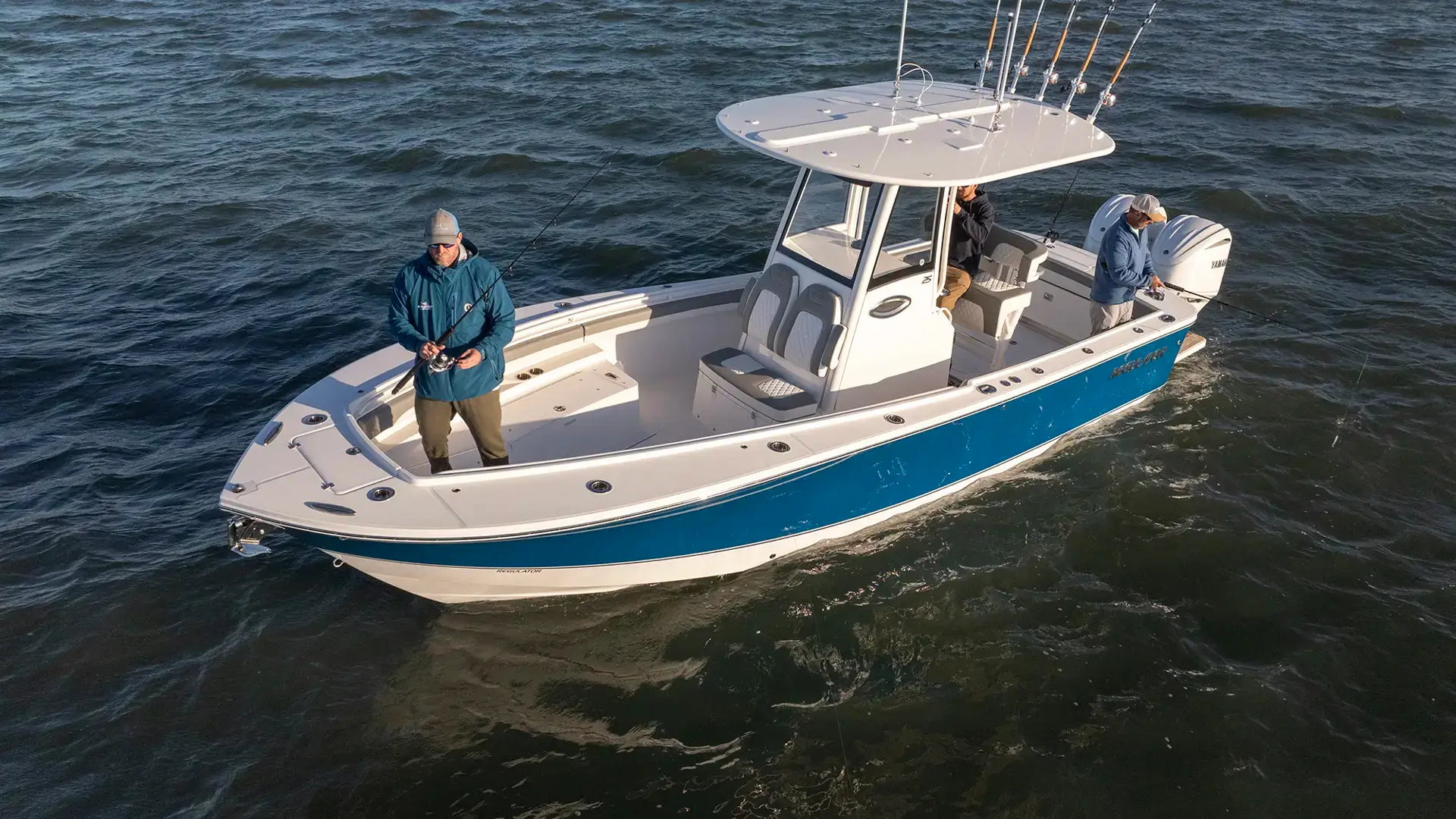
Regulator
1 center console model
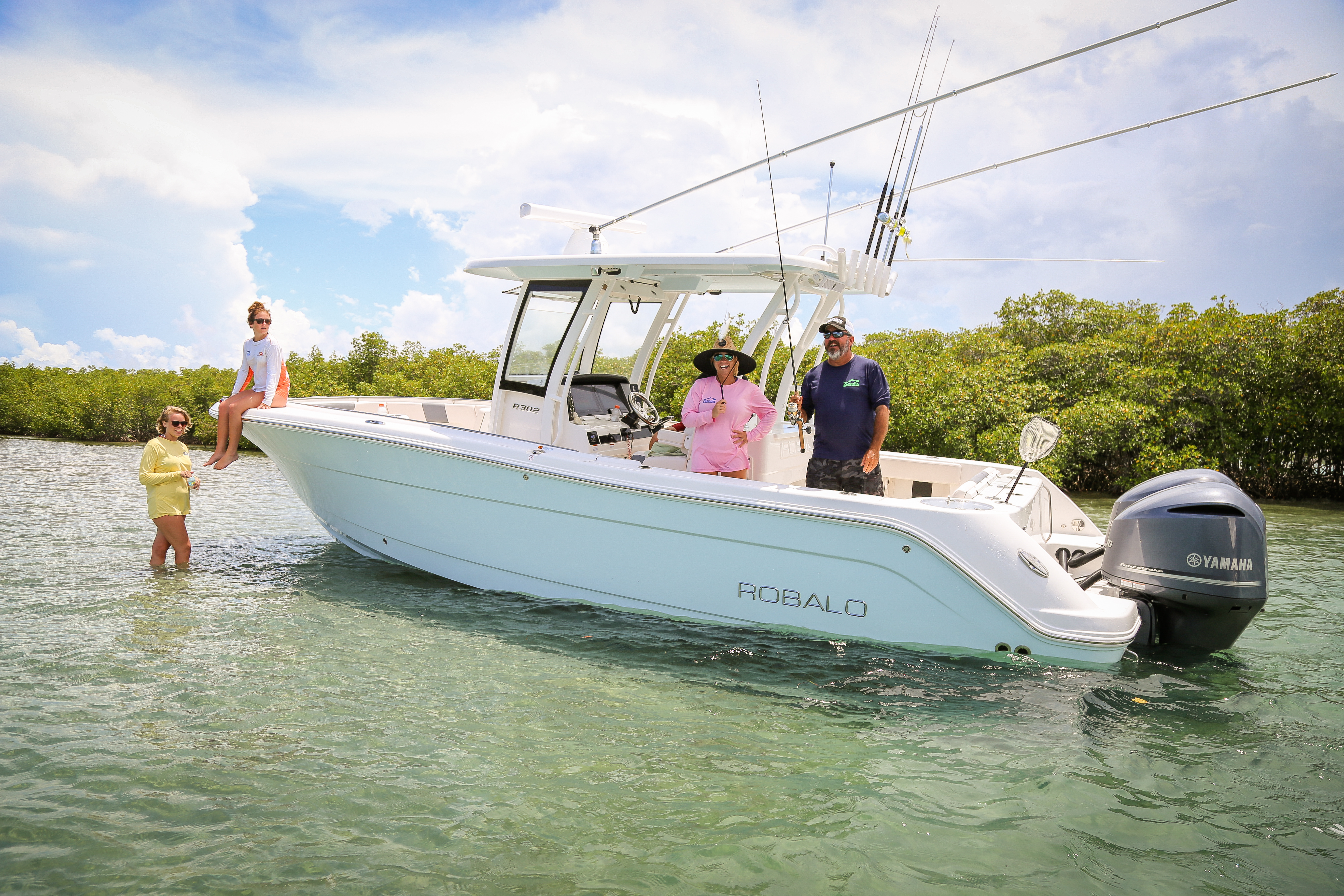
Robalo
1 center console model
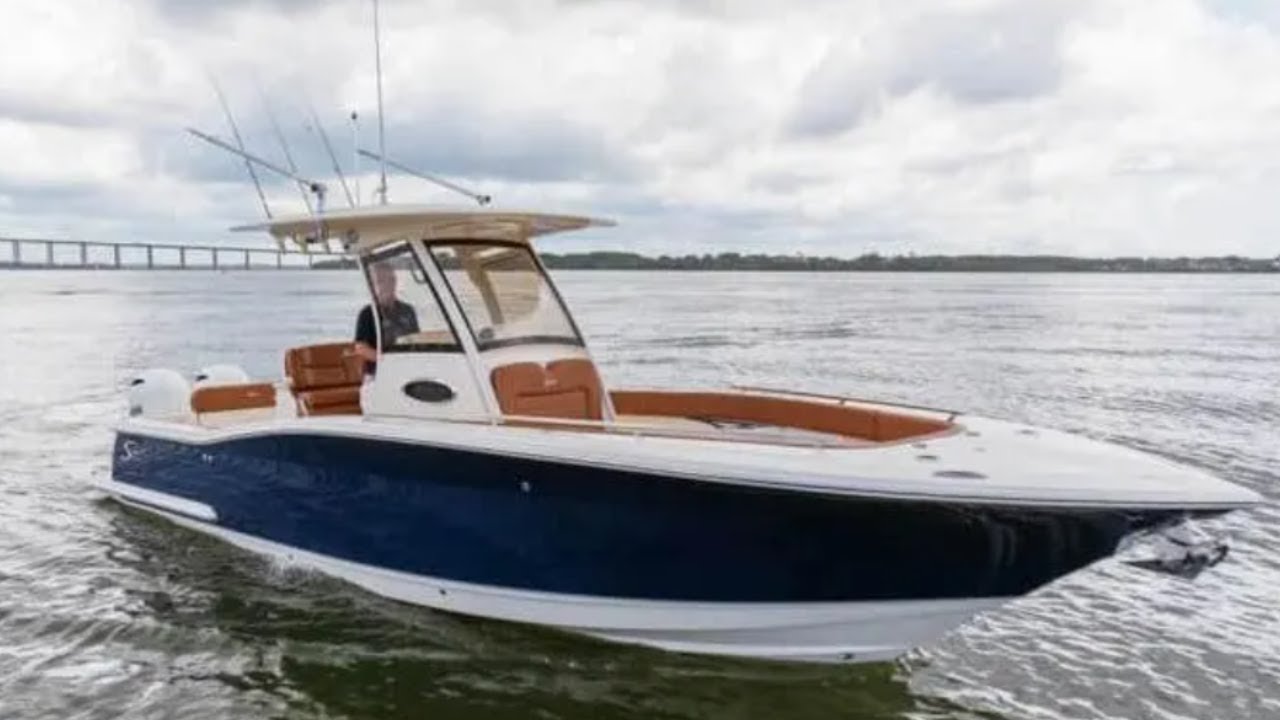
Scout
1 center console model
Sportsman
1 center console model

Wellcraft
1 center console model

Yellowfin
1 center console model
