Outboard Motor Buyer's Guide
“The engine that powers the marine world — reliable, serviceable, and proven.”
Why Is It Called a "Outboard Motor"?
Etymology & History
The name "outboard motor" comes from the engine's mounting position — it sits outside ("outboard" of) the boat's hull, attached to the transom. The first commercially successful outboard motor was the 1909 Evinrude, invented by Norwegian-American Ole Evinrude in Milwaukee. Legend says he was inspired when his wife's ice cream melted during a long row across a lake. The outboard concept revolutionized boating by making engine power portable and affordable.
What Is a Outboard Motor?
Overview
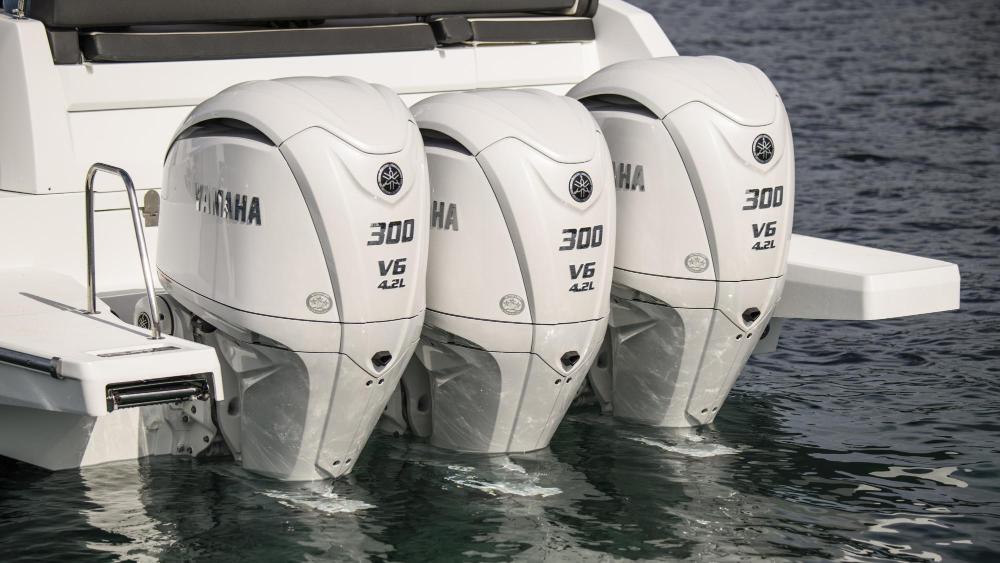
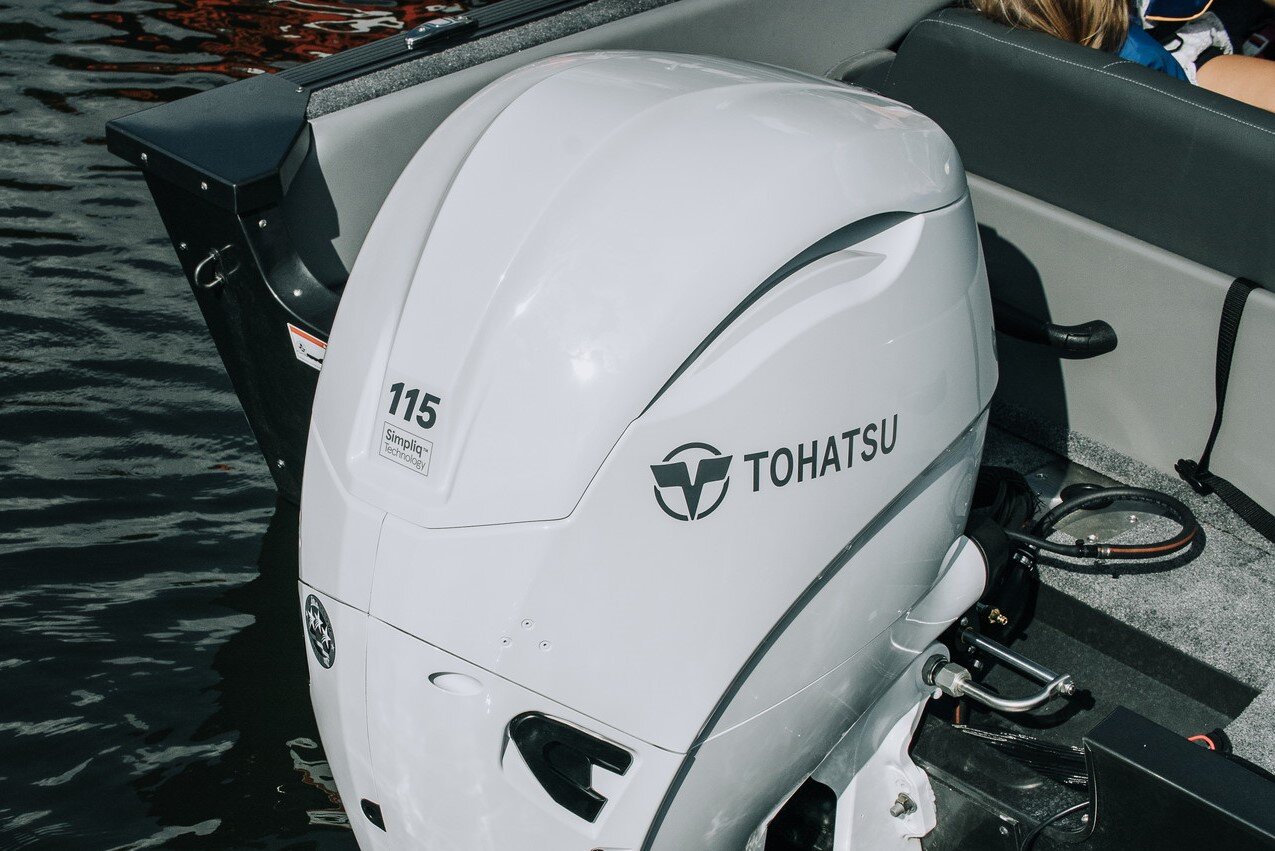
Outboard motors are self-contained propulsion units that mount externally on a boat's transom. They combine the engine, gearbox, and propeller in a single portable unit that can tilt and rotate for steering and trim adjustment. Modern outboards range from 2 HP trolling motors to 600 HP offshore powerplants. Four-stroke technology dominates the market, offering fuel efficiency, lower emissions, and quieter operation than older two-stroke designs.
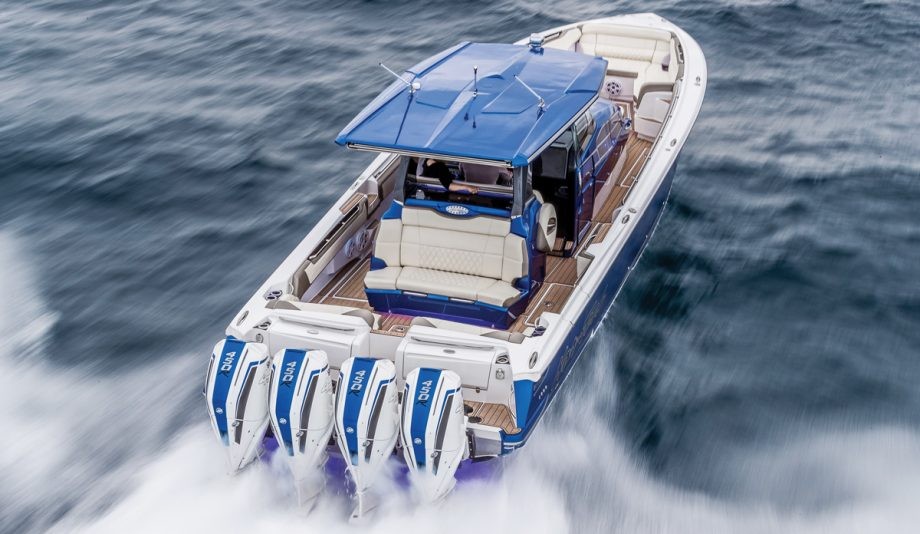
Quad outboard setup — raw offshore power
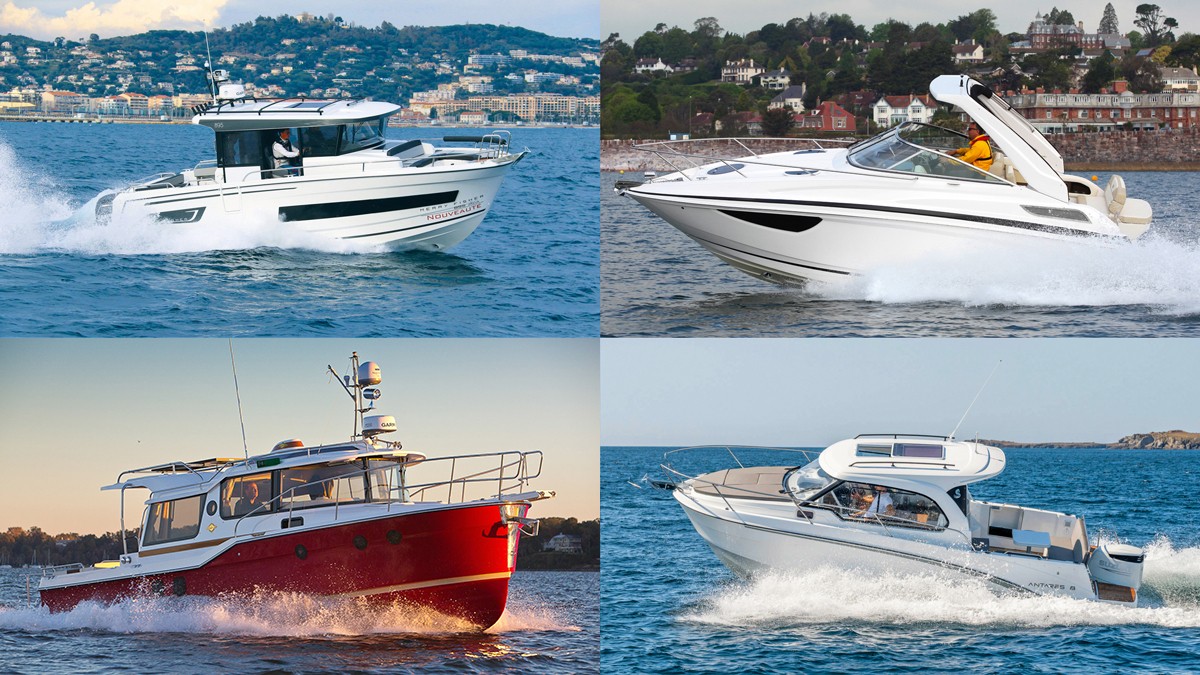
Outboard power — clean, efficient, and proven
The 5 W's of Outboard Motors
Who, What, When, Where, Why
Who Buys Them?
Every boater. From the weekend fisherman with a 25 HP on a jon boat to the offshore captain running quad 450s. Outboards power more recreational boats than all other engine types combined.
What Are They?
A self-contained marine propulsion unit mounted externally on a boat's transom. Combines engine, gearbox, and propeller in one tiltable, rotatable package. Available from 2 HP to 600 HP.
When Are They Used?
Year-round in warm climates. Seasonal in northern states (require winterization). Service intervals are typically every 100 hours or annually, whichever comes first.
Where Are They Used?
Every body of water worldwide — freshwater lakes, rivers, bays, oceans, and commercial waterways. The dominant marine engine on every continent.
Why Buy One?
Outboard motors won the marine propulsion war. They're lighter, more fuel-efficient, easier to maintain, and offer better resale value than inboard or sterndrive alternatives. The market is shifting decisively toward outboard power across all boat types.
Good For
- Powering fishing boats, center consoles, pontoons, and skiffs
- Easy maintenance — most accessible marine engine configuration
- Shallow water operation — tilt up to clear obstacles
- Versatility — can be mounted on nearly any boat with a transom
- Multi-engine configurations for offshore performance
- Portable power for small boats, tenders, and dinghies
Why People Buy
- Easiest marine engine to maintain and repair — external mounting gives full access
- Tilt and trim — raise the engine to clear shallow water or for trailering
- No through-hull penetrations — eliminates a major source of sinking risk
- Fuel efficiency — modern four-strokes sip fuel compared to inboards
- Lightweight — less weight means better fuel economy and higher top speed
- Resale value — outboard boats consistently command higher resale than sterndrive boats
Where They're Most Popular
Top boating destinations
Worldwide — every body of water on Earth
The most common marine propulsion system in the world
Florida and Gulf Coast
Outboards dominate saltwater fishing and recreational boating
Inland lakes and rivers (all US states)
Standard power for fishing boats, pontoons, and small craft
Remote/developing regions
Portable, serviceable, and available worldwide
Commercial fishing fleets
Workboat reliability and ease of replacement
Who Buys Them?
Buyer demographics & profiles
Boat Repowering Customers
Owners replacing aging outboard or converting from sterndrive to outboard for lower maintenance and better resale.
New Boat Buyers
Choosing outboard power over sterndrive when purchasing a new bowrider, center console, or pontoon.
Commercial/Guide Operations
Charter captains and fishing guides who need reliable, serviceable engines that are easy to replace if needed.
DIY Mechanics
Boaters who prefer to do their own maintenance. Outboards are the most DIY-friendly marine engine.
Operating Costs
What it really costs to own one
Repairs & Common Breakdowns
What breaks and what it costs
Typical Repair Costs
Most Common Breakdowns
- Impeller failure from age and heat — rubber deteriorates even when not running
- Fuel system contamination from ethanol-blended gasoline absorbing moisture
- Corrosion of lower unit and anodes — especially in saltwater environments
- Thermostat failure causing overheating or running too cold
- Starter motor failures from corrosion and electrical issues
- Trim/tilt hydraulic seal leaks — fluid weeps and motor won't hold position
Best Upgrades
Where to spend money for maximum value
Repower to four-stroke
Replacing an old two-stroke with modern four-stroke saves 30–40% on fuel and dramatically reduces emissions and noise
Hydraulic steering
Replaces cable steering with smooth, responsive hydraulic feel — critical on larger engines
Digital throttle and shift (DTS)
Eliminates cable-operated throttle for smooth, precise electronic control
Smart gauges/displays
Real-time engine data (RPM, fuel flow, trim position, diagnostics) at a glance
Stainless steel propeller
Better performance, durability, and efficiency over aluminum props
Autopilot integration
Hands-free heading hold for long runs — reduces driver fatigue
Water Compatibility
Where you can (and can't) take it
Outboards thrive in freshwater. Minimal corrosion, easy maintenance, long life.
Modern outboards handle saltwater well IF flushed with freshwater after every use.
Tilt-up capability is a huge advantage. Clear obstacles and load on a trailer easily.
Multi-outboard setups are now the standard for offshore boats. Redundancy is a safety benefit.
Requires proper winterization. Water in the engine can freeze and crack the block.
Preferred for commercial applications due to serviceability and replaceability.
Limitations & Weather Restrictions
Know before you go
Outboards are external and portable. High-value engines are theft targets. Use engine locks and security cables.
Price Ranges (Brand New)
What to expect across budget levels
Outboard Motor Brands & Models
6 brands, 9 models in our database
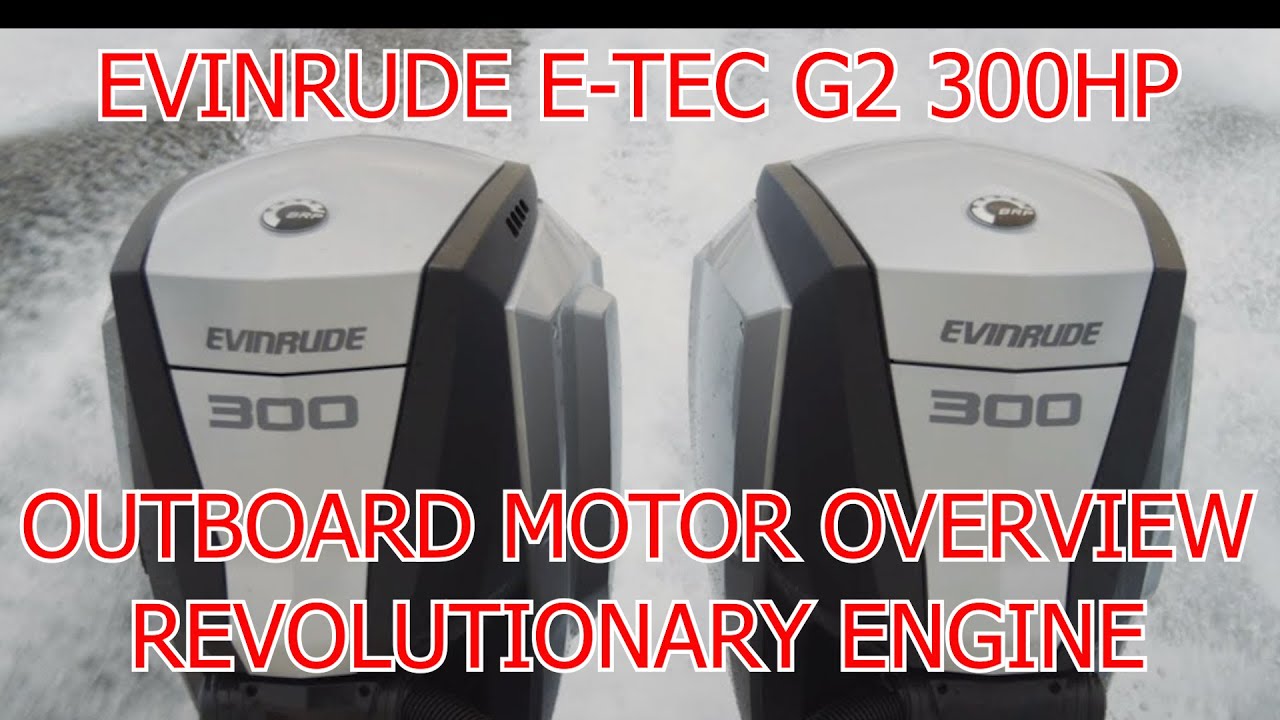
Evinrude
1 outboard motor model
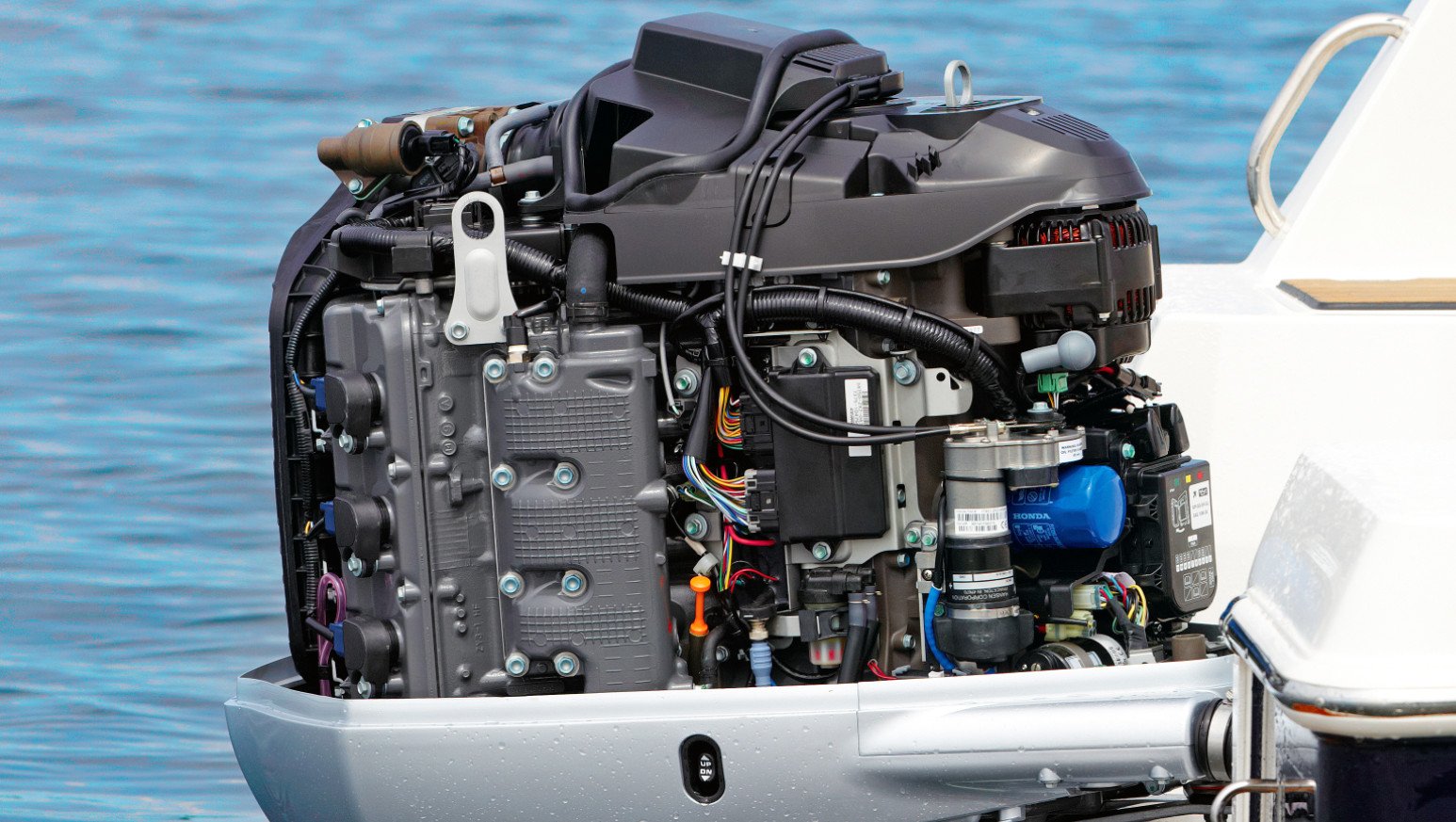
Honda
1 outboard motor model
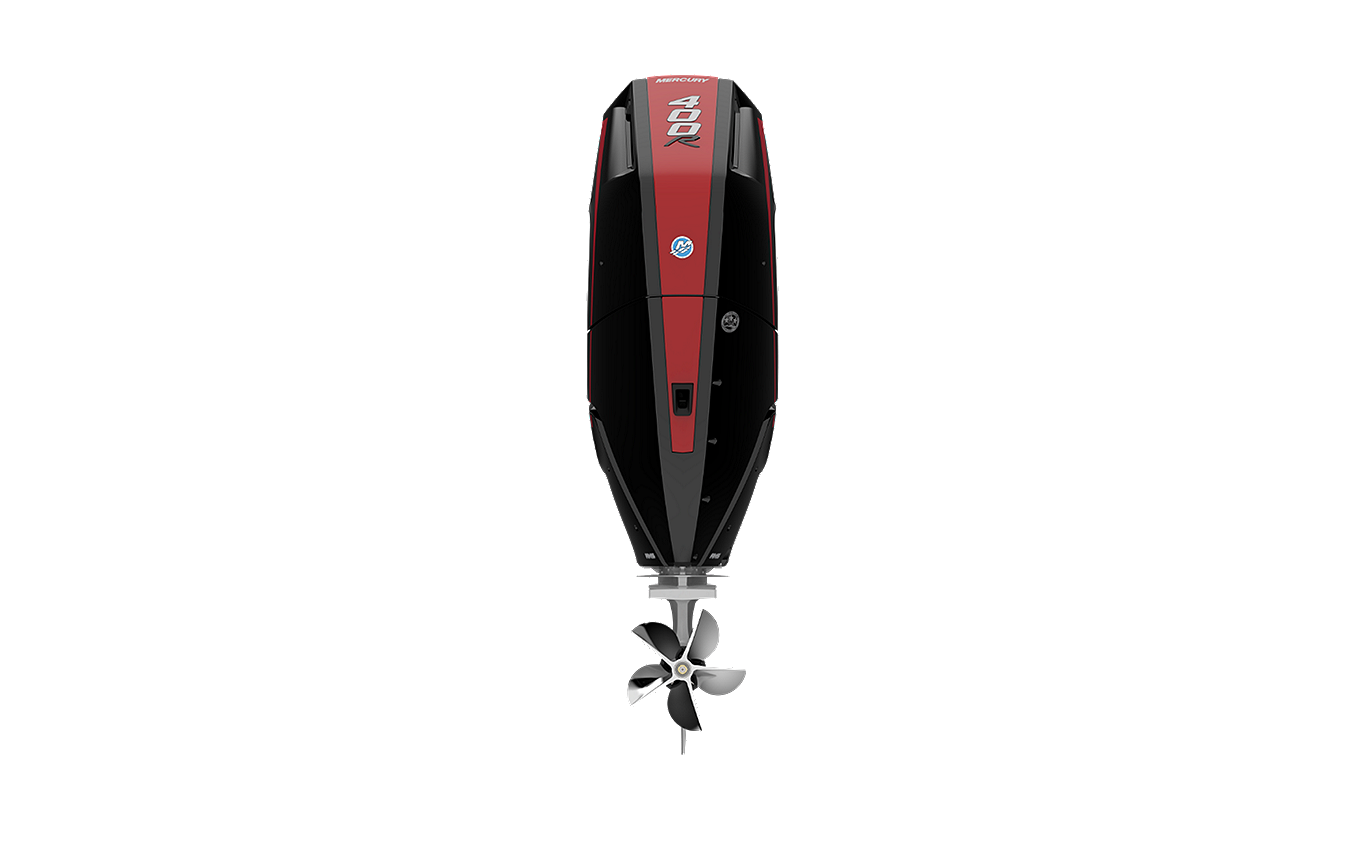
Mercury
3 outboard motor models

Suzuki
2 outboard motor models


Tohatsu
1 outboard motor model
Yamaha
1 outboard motor model