Fishing Boat Buyer's Guide
“Purpose-built for the angler — where the catch is everything.”
Why Is It Called a "Fishing Boat"?
Etymology & History
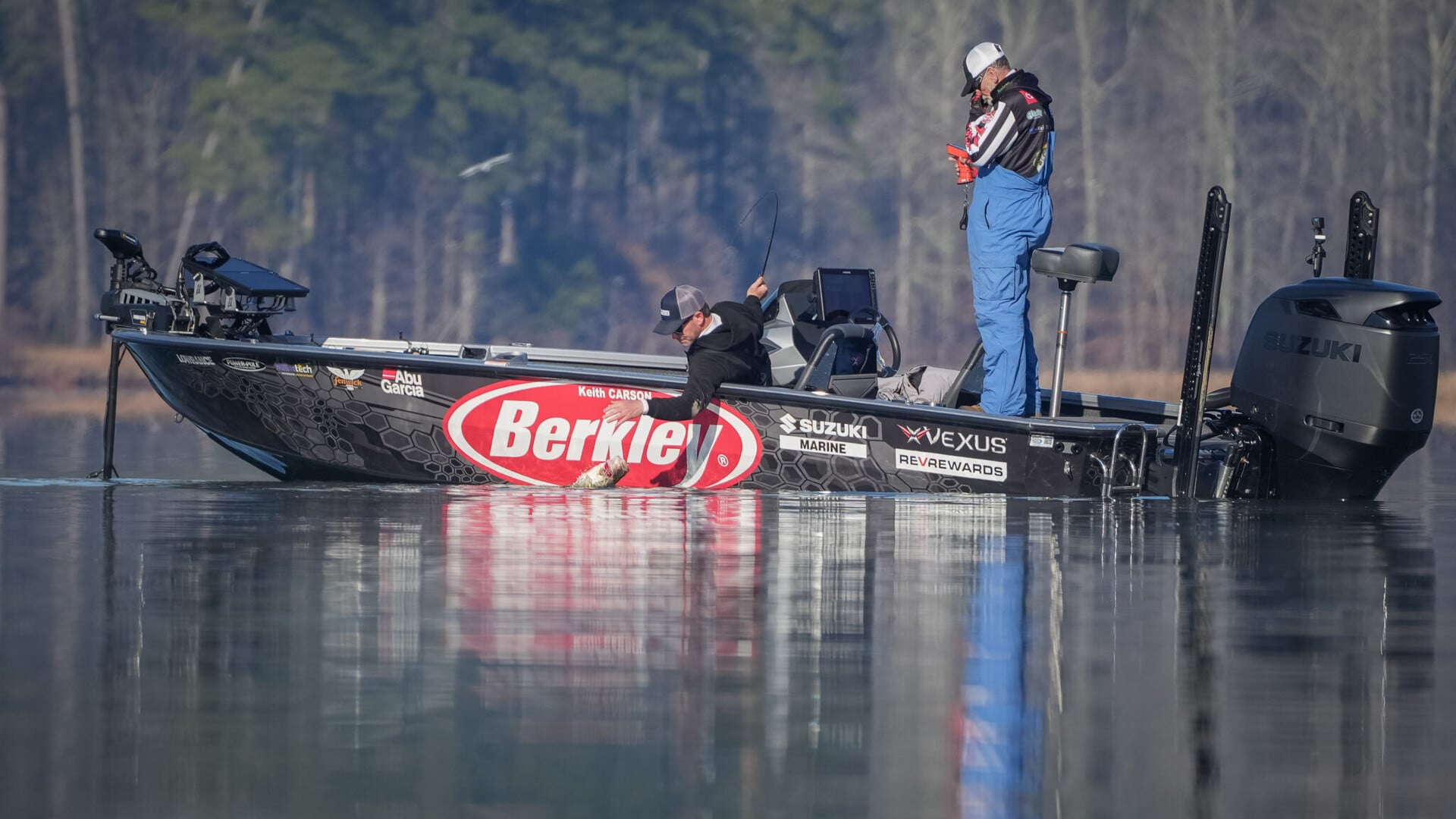
The term "fishing boat" is a broad category covering any vessel designed primarily for angling. Within this category, the most iconic American variant is the "bass boat" — a low-profile, high-performance freshwater fishing machine that emerged in the 1960s alongside the rise of competitive bass fishing tournaments. The first purpose-built bass boat is credited to Forrest L. Wood, who founded Ranger Boats in 1968 in Flippin, Arkansas.
What Is a Fishing Boat?
Overview
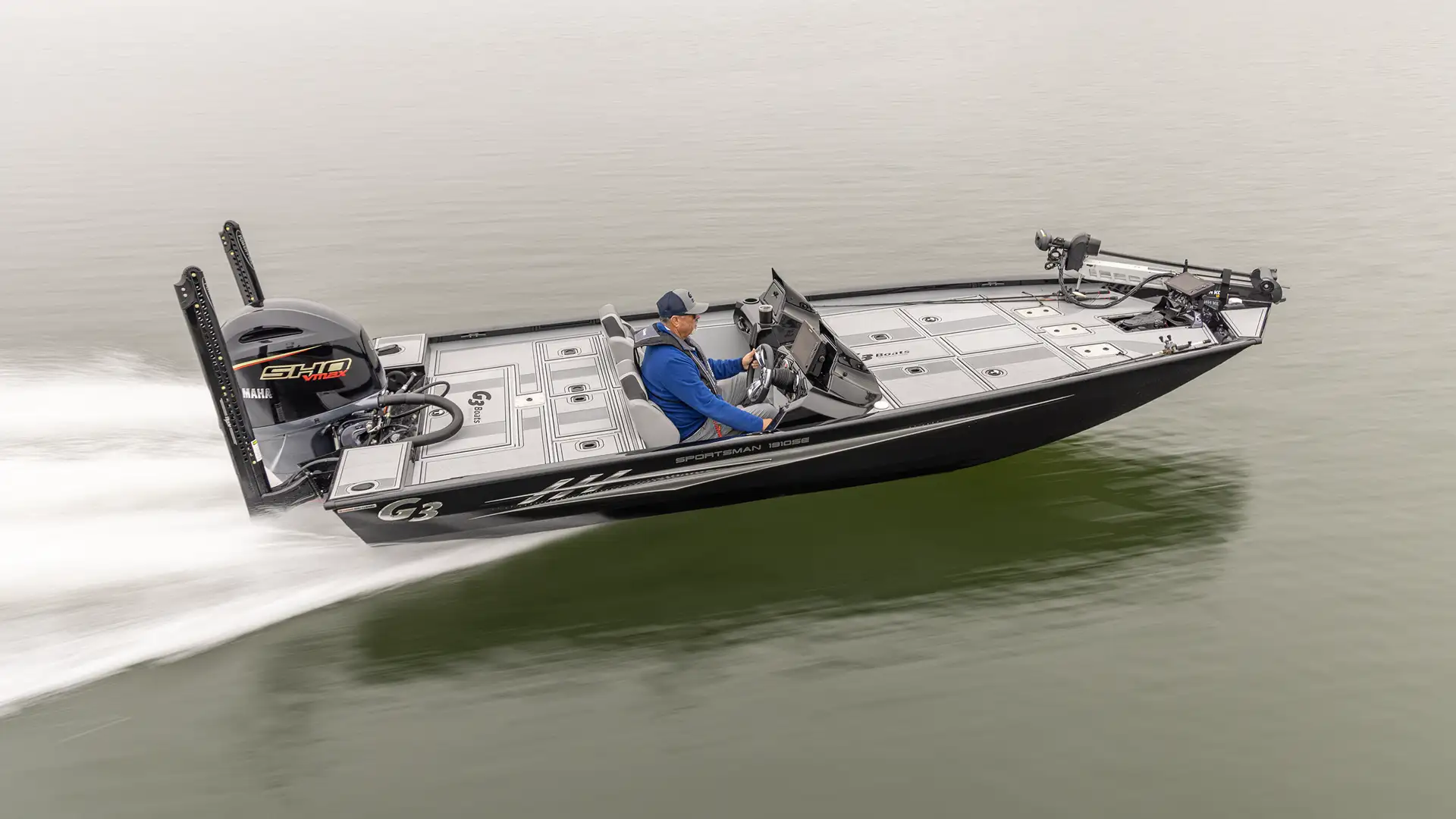
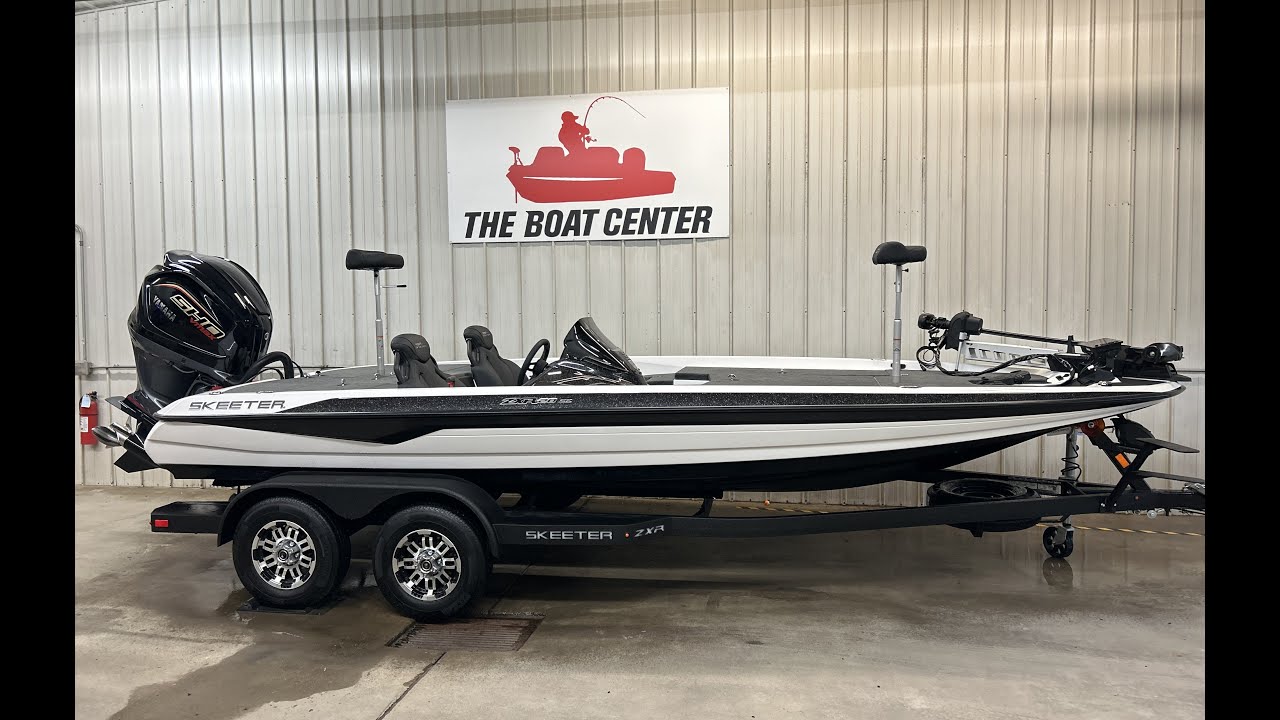
Freshwater fishing boats (including bass boats, walleye boats, and multi-species boats) are purpose-built for angling. They feature low freeboards for easy fish landing, casting decks fore and aft, live wells, rod storage, trolling motors, and high-performance outboard engines for tournament-speed runs between fishing spots. Typically 16–22 feet, they combine stealth, speed, and fish-catching features in a specialized package.
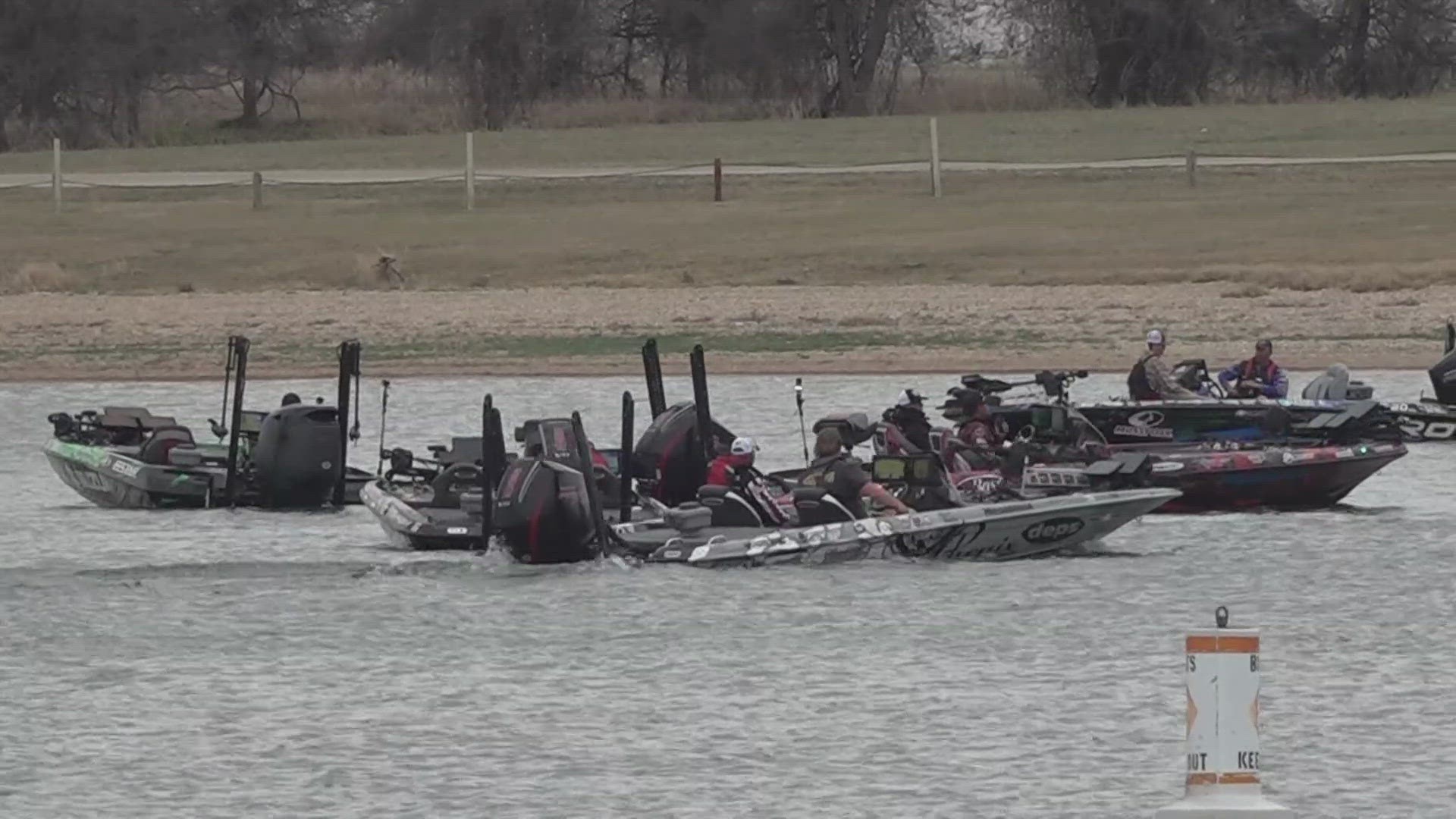
Tournament day — speed, precision, and the thrill of competition
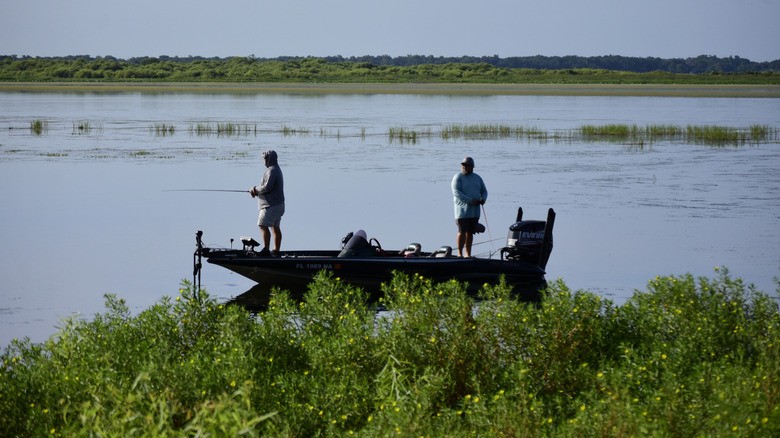
A quiet morning on the water — what fishing is all about
The 5 W's of Fishing Boats
Who, What, When, Where, Why
Who Buys Them?
Dedicated freshwater anglers aged 25–65, tournament competitors, fishing guides, and father-son fishing teams. Strongest in the South and Midwest. Income range $50K–$150K+ depending on competition level.
What Are They?
A purpose-built freshwater fishing vessel featuring casting decks, live wells, rod storage, trolling motors, and high-performance outboard engines. Designed for speed between spots and stealth while fishing.
When Are They Used?
Year-round in southern states. Spring through fall in the north (March–November). Tournament season peaks March through October. Dawn-to-dusk fishing days are common.
Where Are They Used?
Freshwater lakes, reservoirs, and rivers across the entire United States. Heaviest concentration in the southeastern US, Texas, and Midwest lake country. Not for saltwater use.
Why Buy One?
Nothing else catches fish like a purpose-built fishing boat. Every square inch is designed for angling — from the casting decks to the live wells to the trolling motor. If fishing is your primary passion, this is your boat.
Good For
- Bass fishing — tournaments and recreational
- Walleye and multi-species freshwater fishing
- Crappie and panfish angling in shallow water
- Tournament competition (speed to spots, live well capacity)
- Fly fishing on larger rivers and lakes
- Guide service operations
Why People Buy
- Purpose-built for catching fish — every feature is designed for angling
- Tournament-capable speed (60–80+ mph on premium bass boats)
- Advanced live well systems keep fish alive for weigh-in
- Low profile and quiet running for spooking fewer fish
- Trolling motor integration for precise spot-to-spot movement
- Massive rod and tackle storage
Where They're Most Popular
Top boating destinations
Arkansas, Oklahoma, Texas lakes
The heart of competitive bass fishing — home to many pro tournaments
Florida lakes (Okeechobee, Kissimmee chain)
Year-round largemouth bass fishing, massive fish
Tennessee, Alabama, Georgia reservoirs
TVA system lakes are tournament hotspots
Great Lakes tributary systems
Walleye, smallmouth bass, and musky fishing
Minnesota, Wisconsin lake country
Multi-species fishing paradise — walleye, bass, musky, pike
Who Buys Them?
Buyer demographics & profiles
Tournament Anglers
Competitive fishermen who need speed, live wells, and performance. Willing to invest $50K–$80K+ for an edge.
Weekend Warriors
Recreational anglers who fish 20–40 weekends per year. Want quality but may opt for mid-range brands.
Guides & Outfitters
Professional fishing guides who need durability, client comfort, and reliable equipment day after day.
Father-Son/Family Anglers
Families where fishing is the primary recreational activity. Multi-species boats offer flexibility.
Operating Costs
What it really costs to own one
Repairs & Common Breakdowns
What breaks and what it costs
Typical Repair Costs
Most Common Breakdowns
- Trolling motor failures — shaft breakage, wiring issues, and foot pedal malfunctions from heavy use
- Live well pump burnout — continuous cycling wears out diaphragm pumps
- Trailer problems — bearing failures from constant lake launches, tire blowouts from UV degradation
- Battery drain — trolling motors, electronics, and live wells drain batteries quickly on tournament days
- Carpet mold and deterioration from standing water and wet gear
- Jackplate hydraulic leaks — frequent trim adjustments stress hydraulic seals
Best Upgrades
Where to spend money for maximum value
Minn Kota Ultrex or Garmin Force trolling motor
GPS-anchoring and spot-lock keep you on fish without dropping anchor — game changer
Garmin LiveScope or Humminbird MEGA Live
Real-time sonar shows individual fish and their reaction to your bait — revolutionary technology
Lithium batteries
Lighter weight, longer life, faster charging, and more consistent power output than lead-acid
Hydraulic jackplate
Allows on-the-fly motor height adjustment for shallow running and optimal performance
Power Pole shallow water anchor
Instant silent anchoring — no splashing or noise to spook fish in shallow water
Recirculating live well system
Keeps tournament fish healthier and alive longer — prevents dead fish penalties
Water Compatibility
Where you can (and can't) take it
This is what fishing boats are designed for. Lakes and reservoirs are their home water.
Shallow draft and outboard tilt make rivers navigable. Watch for submerged obstacles.
Walleye boats handle Great Lakes better than bass boats, but weather can build fast.
Not ideal — hull and construction aren't designed for salt exposure.
Extremely dangerous. These boats will swamp in ocean conditions.
Not designed for rapids. Low freeboard and fiberglass hull are wrong for this.
Limitations & Weather Restrictions
Know before you go
Most bass boats comfortably hold 2 people for fishing. Max rated capacity is 3–4 but it gets cramped fast.
Price Ranges (Brand New)
What to expect across budget levels
Fishing Boat Brands & Models
10 brands, 10 models in our database
Alumacraft
1 fishing boat model

Bass Cat
1 fishing boat model

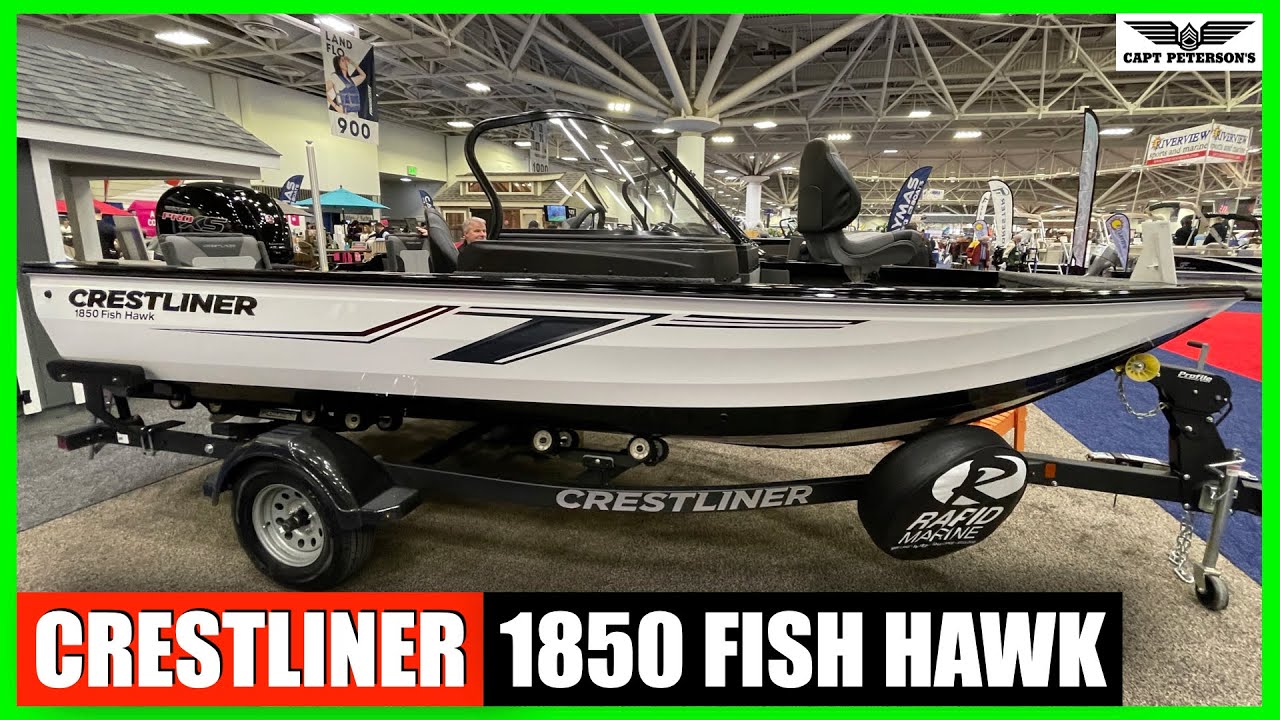
Crestliner
1 fishing boat model
G3
1 fishing boat model
Lund
1 fishing boat model

Nitro
1 fishing boat model

Phoenix
1 fishing boat model

Ranger
1 fishing boat model

Skeeter
1 fishing boat model
Tracker
1 fishing boat model
