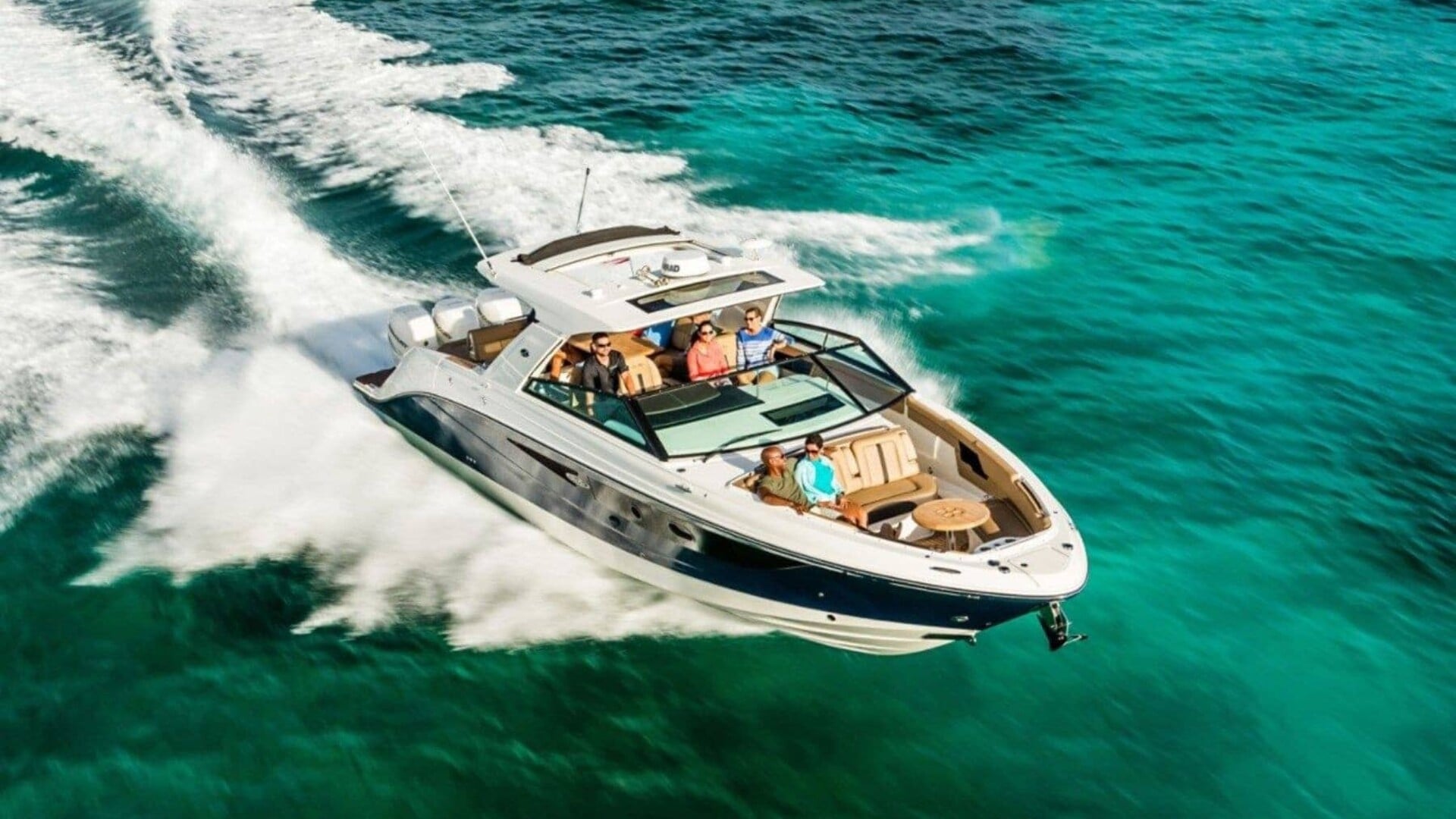
Bowrider Buyer's Guide
“The ultimate family fun boat — ride the bow, own the day.”
Why Is It Called a "Bowrider"?
Etymology & History
The name "bowrider" comes from the boat's defining feature: an open seating area in the bow (front) of the boat where passengers can ride. The term first appeared in 1969 when boat manufacturers began designing recreational motorboats with V-shaped forward seating, allowing passengers to literally "ride in the bow." Before this innovation, the bow area of most boats was either closed off or used only for storage.
What Is a Bowrider?
Overview
Bowriders are open-deck recreational powerboats typically ranging from 17 to 35 feet. They feature a walk-through windshield leading to forward bow seating, a centrally mounted helm, and a stern swim platform. Most are powered by sterndrive or outboard engines producing 200–400 HP. They're the Swiss Army knife of recreational boating — equally capable for a morning watersports session, an afternoon cruise, and a sunset swim.
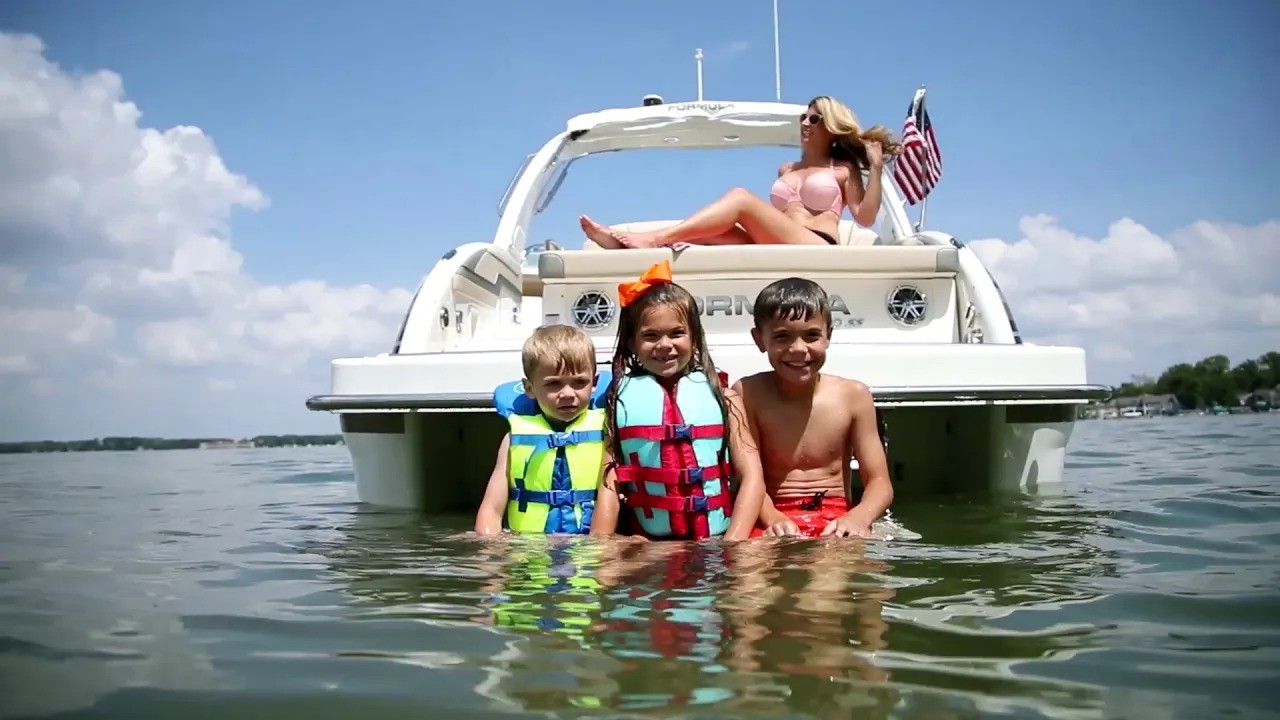
Family day cruising — the classic bowrider experience
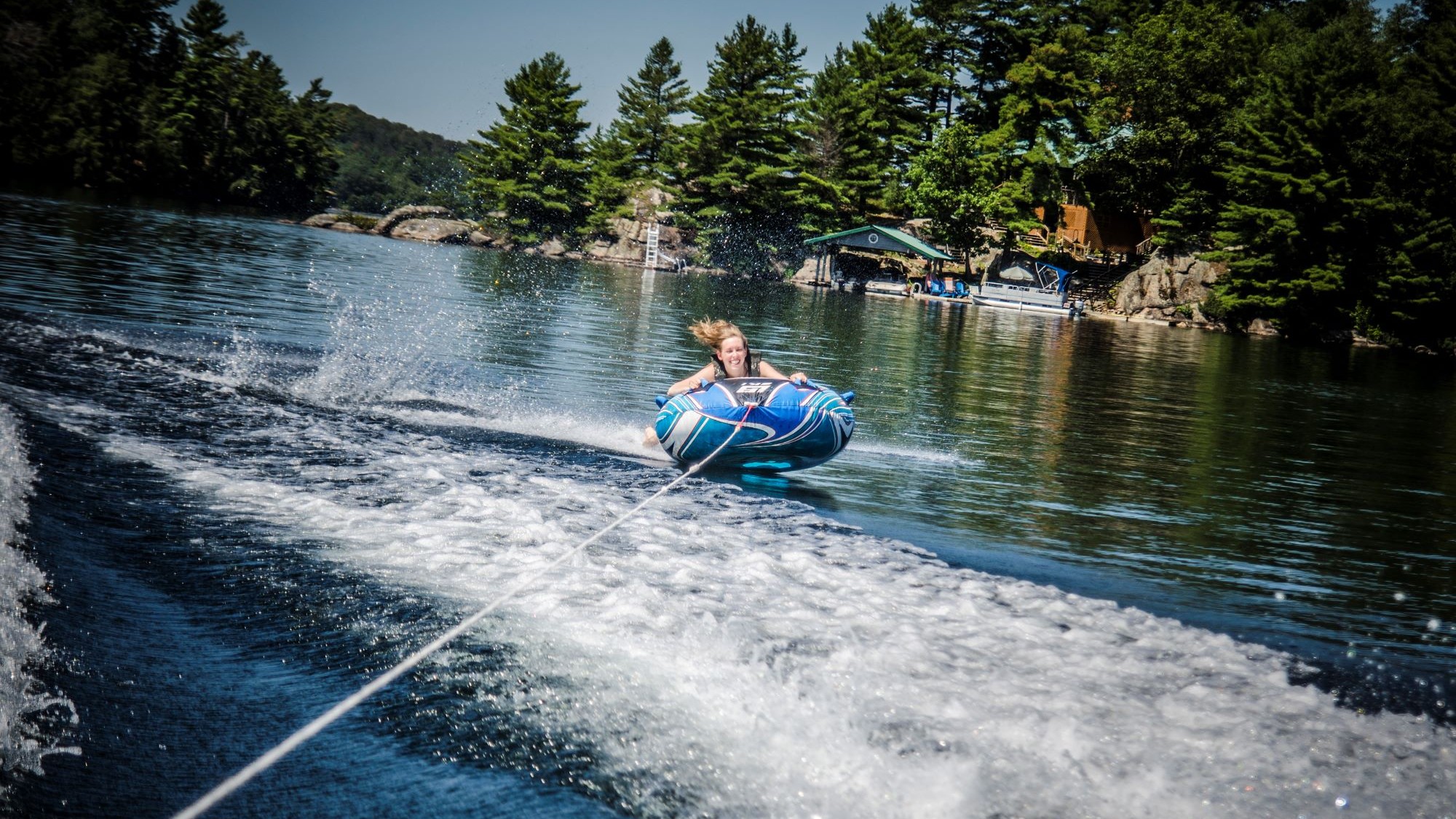
Watersports powerhouse — tubing, skiing, and wakeboarding
Anchored in a quiet cove — swim, sun, and relax
The 5 W's of Bowriders
Who, What, When, Where, Why
Who Buys Them?
Families, couples, watersports enthusiasts, and social boaters aged 30–55. First-time boat buyers and upgraders from pontoons. Household income typically $100K+ for new purchases.
What Are They?
An open-deck powerboat with forward bow seating, designed for recreational cruising, watersports, and swimming. Typically 17–35 feet with 200–400 HP sterndrive or outboard power.
When Are They Used?
Peak season is Memorial Day through Labor Day (May–September). In southern states, boating extends March through November. Weekends and holidays see the heaviest use.
Where Are They Used?
Primarily freshwater lakes and reservoirs across the US heartland, Great Lakes, and Florida. Also used in protected bays, sounds, and intracoastal waterways. Not for open ocean.
Why Buy One?
The bowrider is the most versatile recreational boat you can buy. One boat handles cruising, watersports, and swimming. It's the go-to for families who want maximum fun per dollar on the water.
Good For
- Watersports — skiing, wakeboarding, tubing
- Family day cruising on lakes and bays
- Swimming and anchoring in coves
- Sandbar hopping with friends
- Sunset and evening cruises
- Light fishing (not purpose-built, but capable)
Why People Buy
- Versatility — one boat handles cruising, watersports, and swimming
- Passenger capacity — fits 8–14 people comfortably
- Open bow seating gives everyone a front-row seat
- Easier to trailer and launch than larger boats
- Strong resale value across popular brands
- Available at multiple price points from $30K to $300K+
Where They're Most Popular
Top boating destinations
Great Lakes (Michigan, Erie, Ontario)
Massive freshwater boating culture, hundreds of marinas
Florida inland lakes and intracoastal waterways
Year-round boating, warm water, proximity to ocean
Lake of the Ozarks, Missouri
One of America's busiest bowrider destinations
Lake Tahoe, California/Nevada
Crystal clear water, premium cruising
Texas Hill Country lakes (Travis, LBJ)
Warm climate, big lakes, active watersports scene
Who Buys Them?
Buyer demographics & profiles
Young Families
Parents with kids ages 5–16 who want a do-everything lake boat. Usually their first or second boat purchase.
Watersports Enthusiasts
Active couples or friend groups who ski, wakeboard, or tube every weekend. Value speed and handling.
Weekend Cruisers
Couples or empty nesters who enjoy leisurely cruises, sunset runs, and entertaining friends on the water.
Upgraders
Moving up from a pontoon or entry-level boat to something faster and sportier with better handling.
Operating Costs
What it really costs to own one
Repairs & Common Breakdowns
What breaks and what it costs
Typical Repair Costs
Most Common Breakdowns
- Sterndrive bellows cracking and leaking — rubber degrades from UV and ozone, especially if boat sits on a trailer
- Impeller failure causing overheating — rubber impeller wears out and loses cooling ability
- Battery dying from parasitic drain — electronics and bilge pumps slowly drain batteries when not in use
- Trailer wheel bearings seizing — water intrusion during launch and retrieval corrodes bearings
- Gelcoat spider cracks from impact or stress — cosmetic but can worsen if ignored
- Fuel system issues from ethanol-blended gas — water absorption causes gumming and injector clogs
Best Upgrades
Where to spend money for maximum value
Wakeboard tower
Higher tow point for better watersports performance, plus adds speaker mounting points and a sporty look
Upgraded stereo system
Marine-grade speakers and subwoofer make every outing better — music is a huge part of the lake experience
LED underwater and courtesy lighting
Transforms the boat for evening cruises and makes it safer at night
Snap-in marine carpet or SeaDek padding
Protects the fiberglass floor, adds comfort, and cleans up easily
GPS/Chartplotter
Navigation confidence on large lakes, depth reading to avoid running aground
Bimini top or convertible canvas
Essential sun protection for long days on the water
Water Compatibility
Where you can (and can't) take it
This is what bowriders are designed for. Flat water, warm days, and wide open space.
Capable in light to moderate chop, but watch the weather. Waves build fast on big water.
Works well on wide, slow-moving rivers. Be cautious of current, debris, and shallow areas.
Great for protected coastal waters. Rinse with freshwater after every saltwater outing.
Dangerous in open ocean conditions. Hull is too low, bow is too open, and freeboard is insufficient.
Absolutely not. Bowriders are not designed for moving water with rapids or obstacles.
Limitations & Weather Restrictions
Know before you go
Open bow design takes on spray and water in waves over 2–3 feet. Not built for offshore or heavy chop.
Price Ranges (Brand New)
What to expect across budget levels
Bowrider Brands & Models
14 brands, 14 models in our database
Bayliner
1 bowrider model

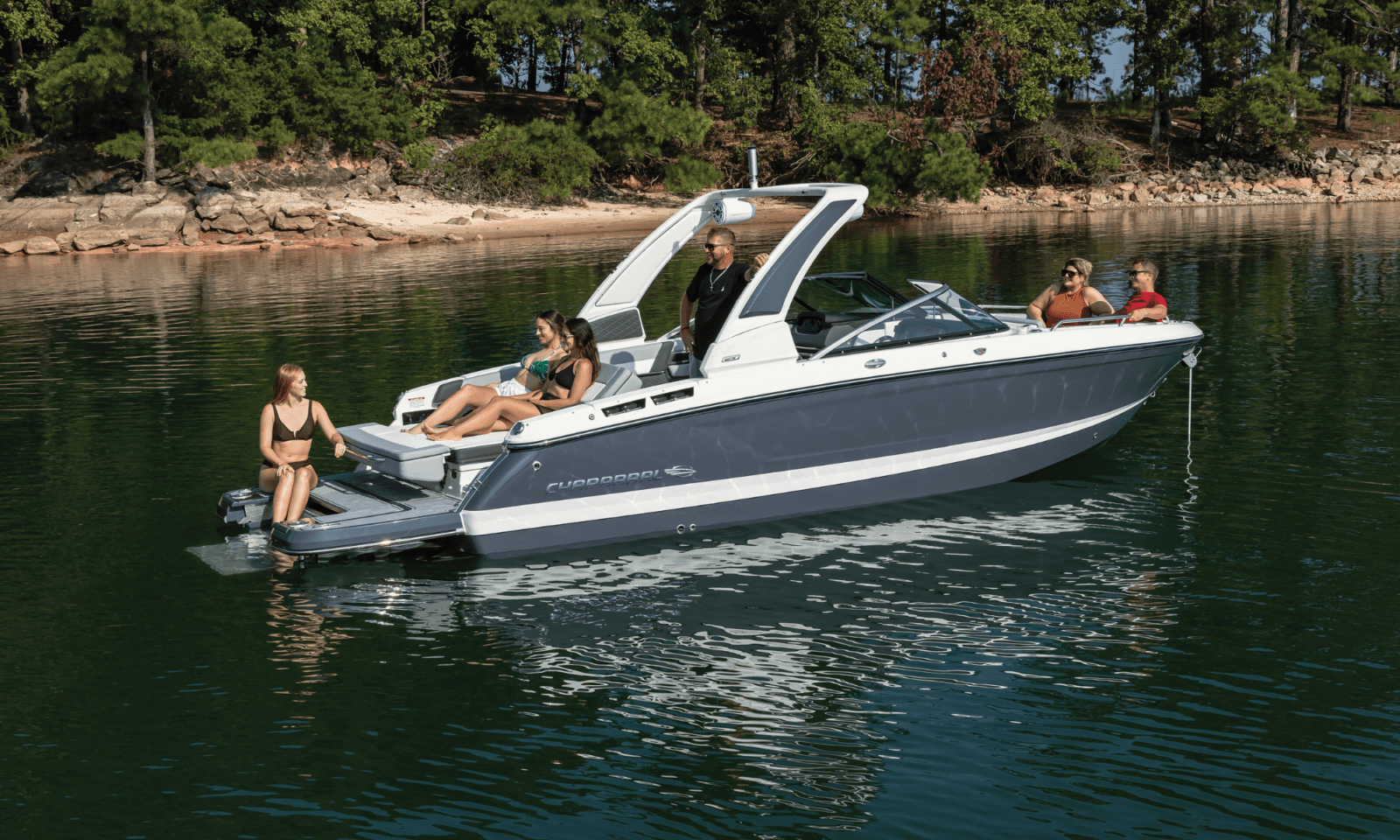
Chaparral
1 bowrider model
Chris-Craft
1 bowrider model

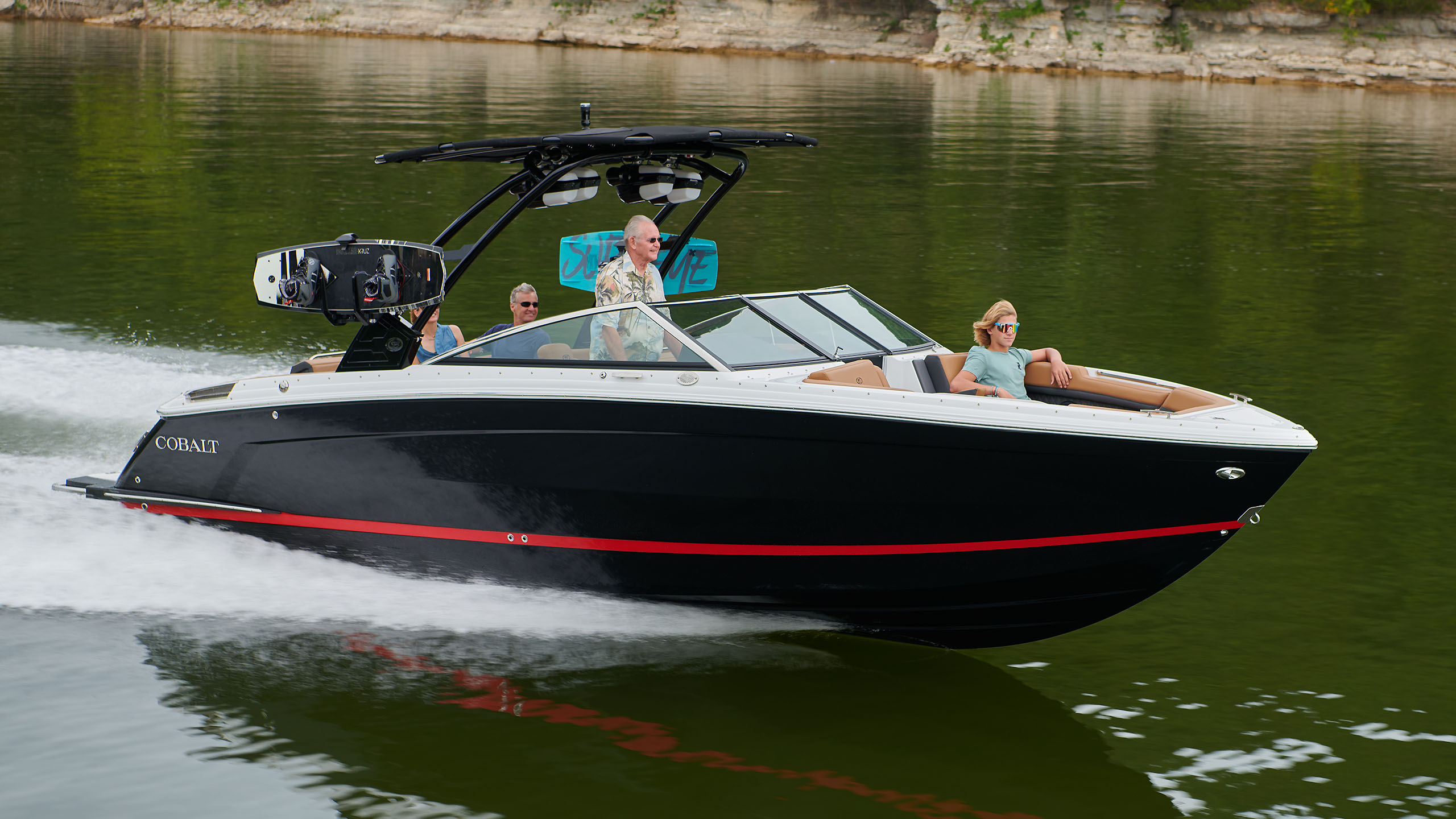
Cobalt
1 bowrider model
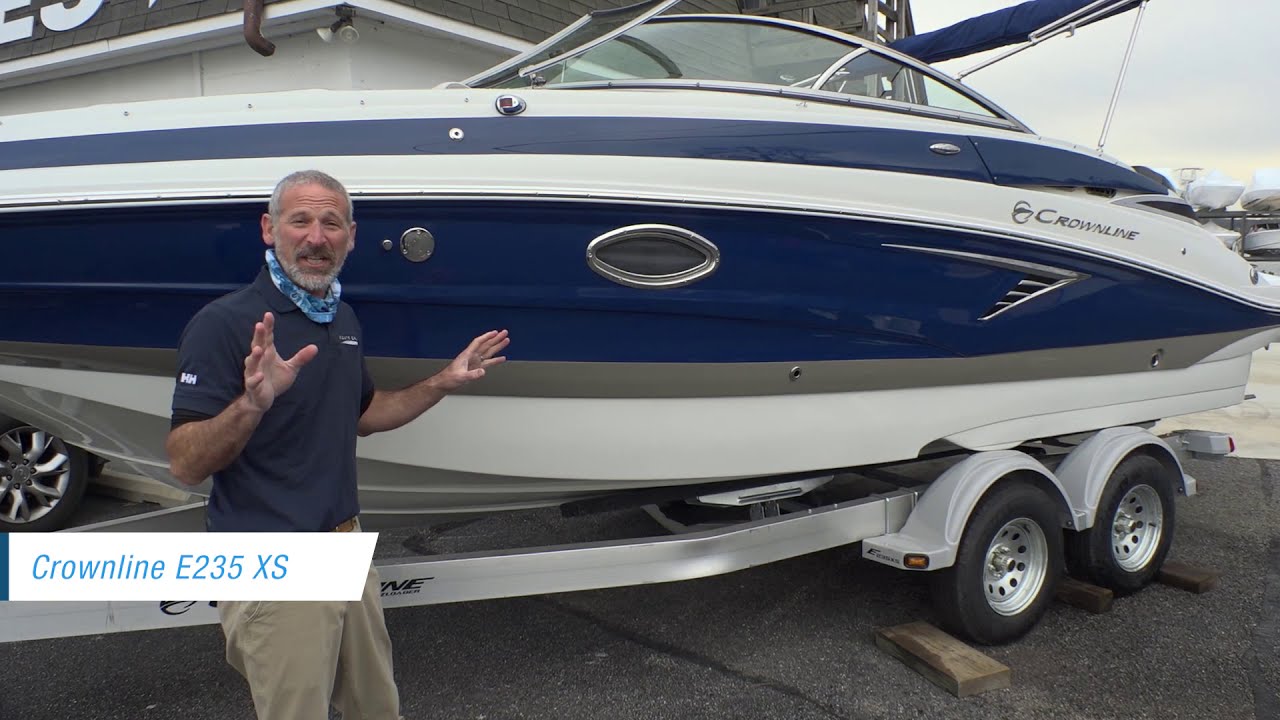
Crownline
1 bowrider model
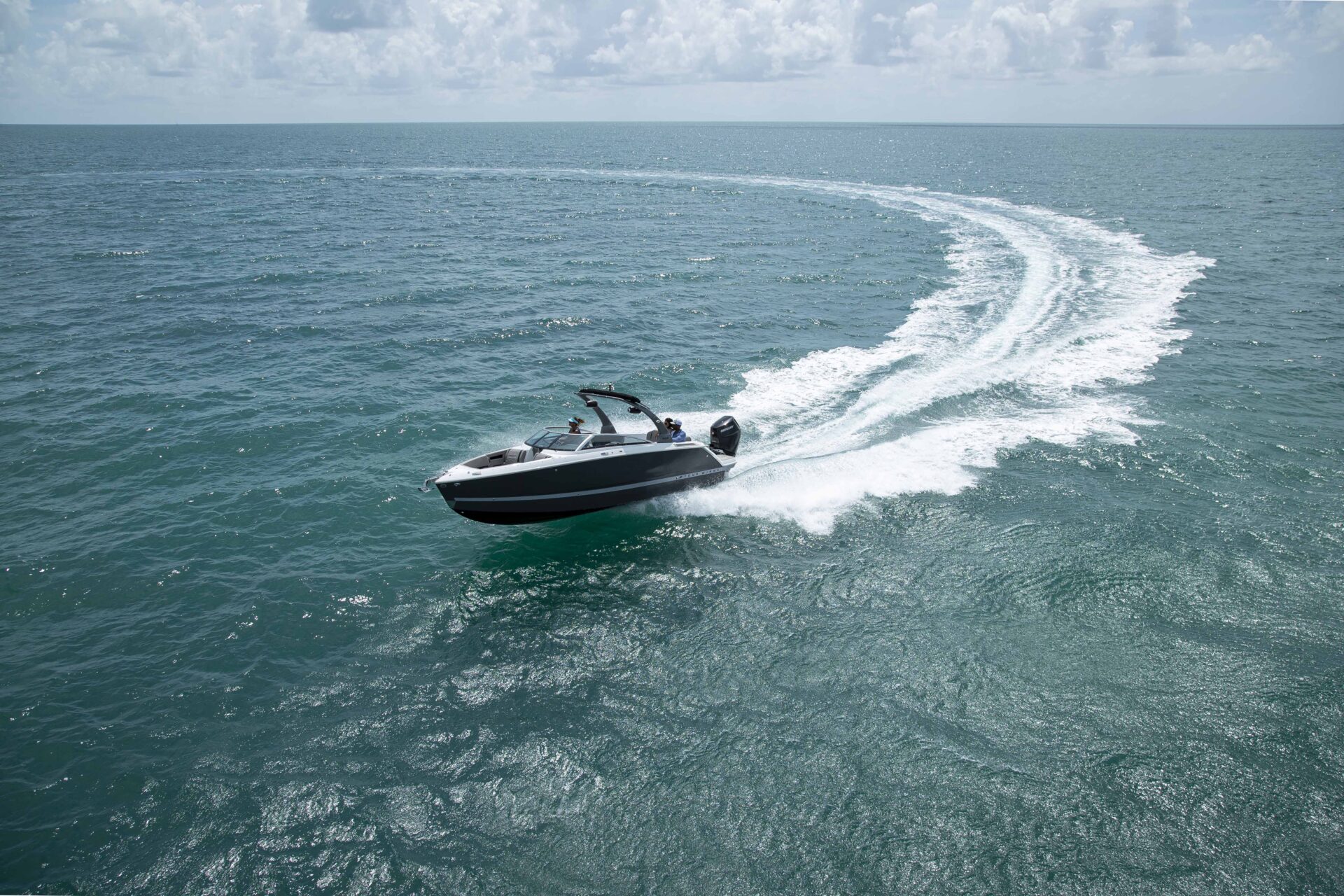
Formula
1 bowrider model

Four Winns
1 bowrider model
Glastron
1 bowrider model

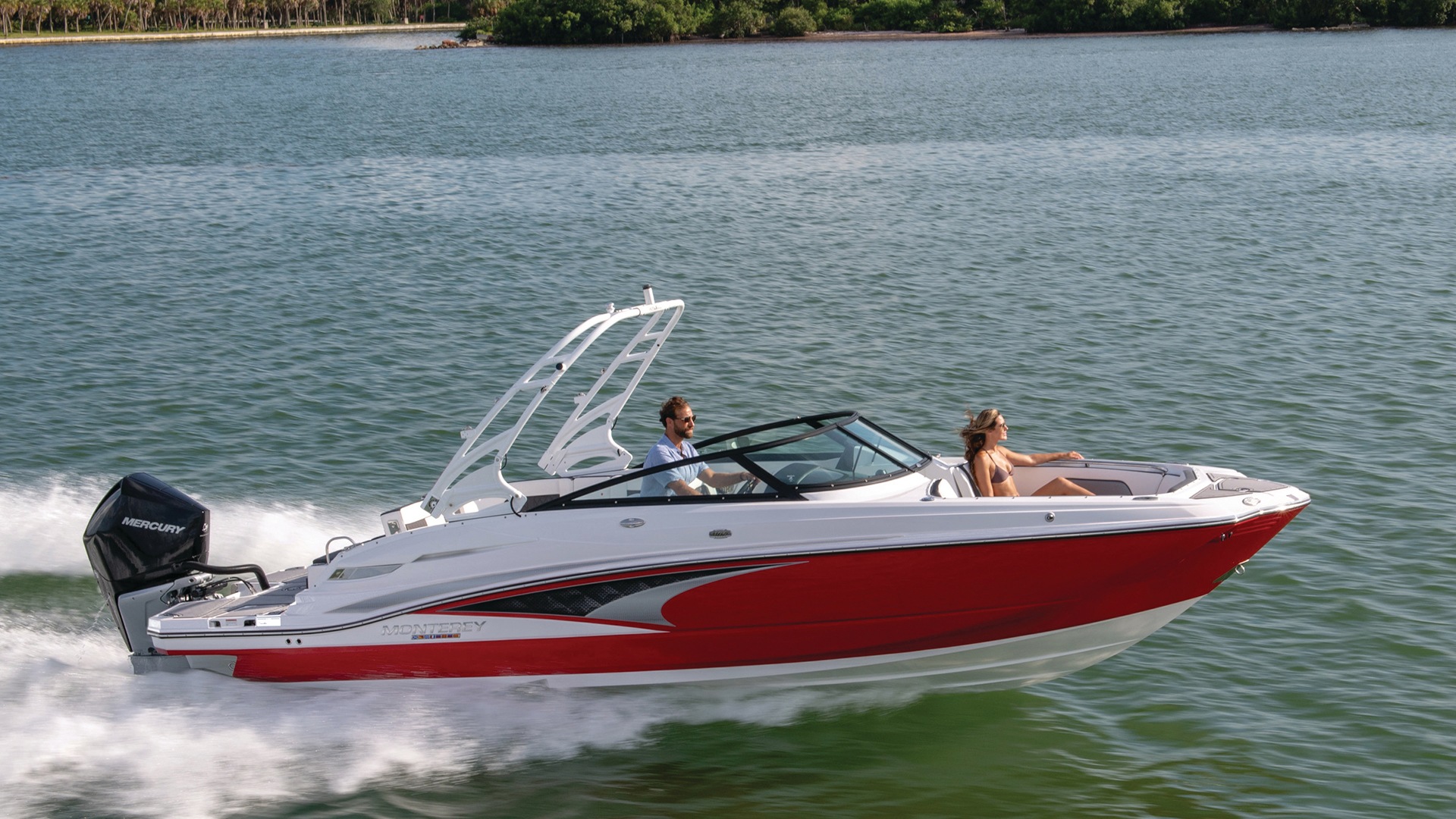
Monterey
1 bowrider model
Regal
1 bowrider model

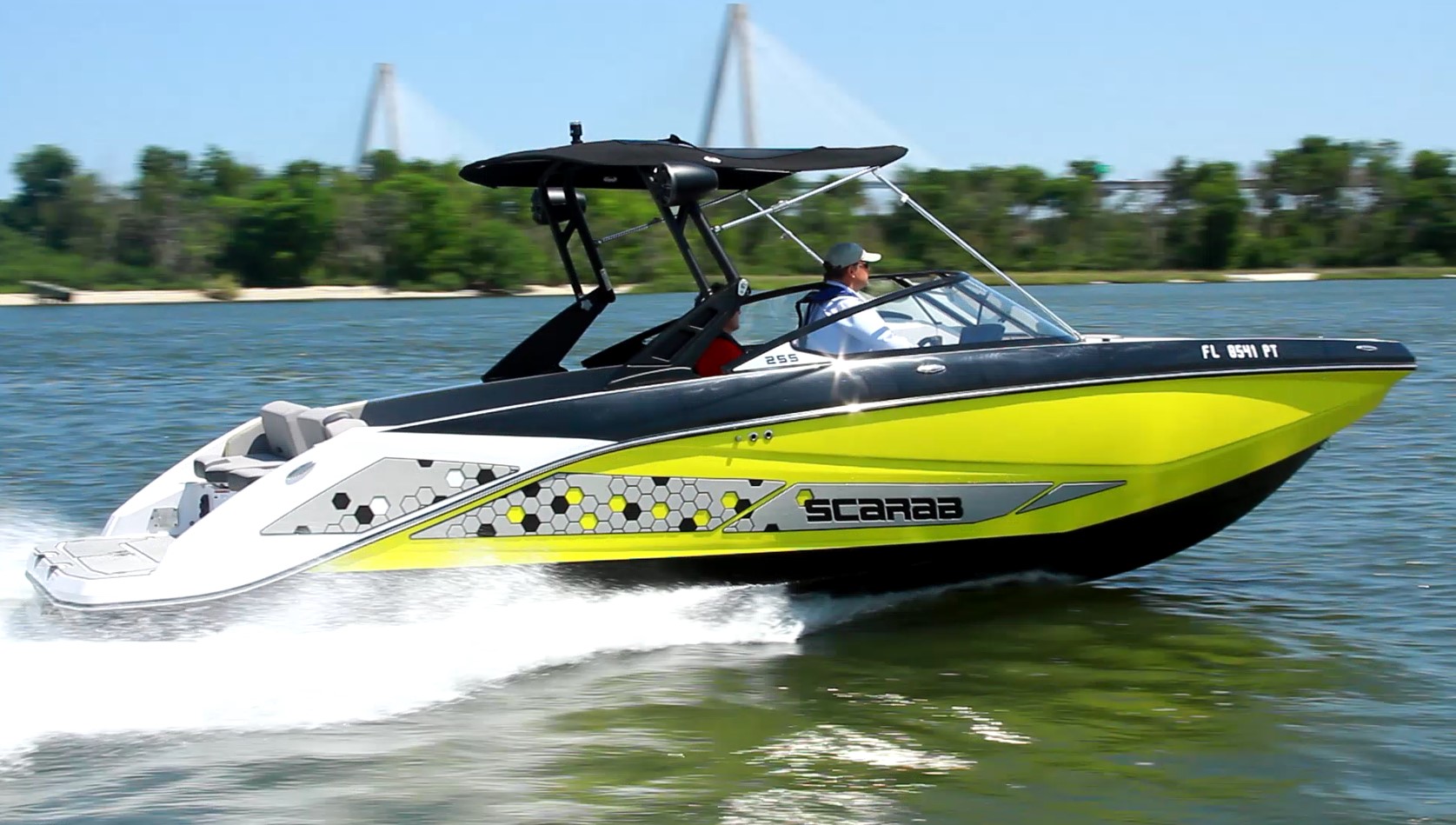
Scarab
1 bowrider model
Sea Ray
1 bowrider model

Stingray
1 bowrider model

Yamaha
1 bowrider model
